
Medicine information
उपयोग
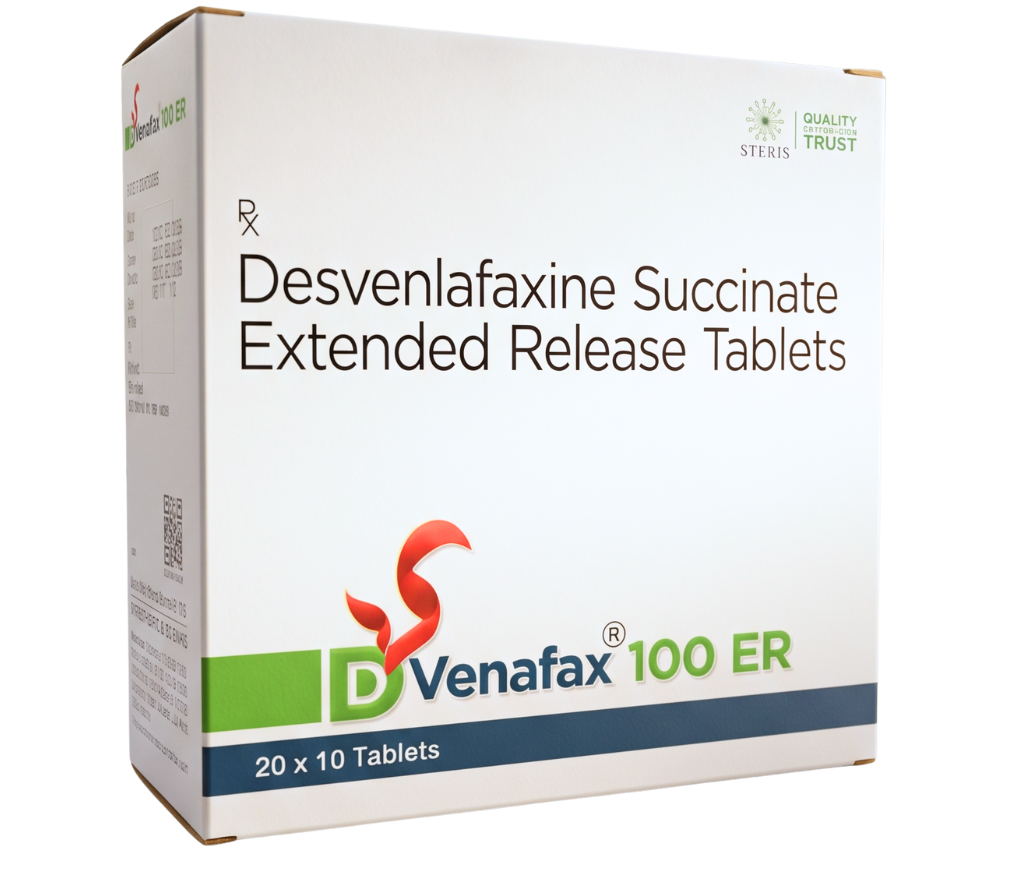
Desvenlafaxine Extended Release Tablets 100 mg is a prescription antidepressant containing desvenlafaxine, an SNRI that affects the levels of serotonin and noradrenaline in the brain. These neurotransmitters play an important role in mood regulation. Desvenlafaxine is primarily prescribed for major depressive disorder in adults. The suitability of the 100 mg strength depends on the patient's clinical condition, response to treatment, other medicines, and kidney function. Uses and Benefits of Desvenlafaxine Extended Release Tablets 100 mg Desvenlafaxine may help relieve symptoms of depression, including persistent low mood, reduced interest in everyday activities, and changes in sleep or energy levels. Treatment may support improved daily functioning when combined with appropriate clinical care. The medicine does not usually provide immediate relief, and improvement may take several weeks. Continue treatment as directed and attend follow-up appointments so your doctor can evaluate your progress and adjust treatment if necessary. Possible Side Effects Common side effects may include nausea, dizziness, dry mouth, sweating, constipation, reduced appetite, sleep disturbances, and sexual side effects. Desvenlafaxine may also increase blood pressure in some people, so monitoring may be recommended. Seek urgent medical attention if you experience seizures, severe confusion, unusual bleeding, a serious allergic reaction, or symptoms of serotonin syndrome, such as agitation, fever, heavy sweating, tremors, and muscle stiffness. Antidepressants may increase suicidal thoughts or behaviours in some people, particularly younger adults and during treatment initiation or dose changes. Report worsening depression, unusual behavioural changes, or thoughts of self-harm immediately. Precautions Before Taking Desvenlafaxine Inform your doctor if you have high blood pressure, kidney disease, a history of seizures, bipolar disorder, glaucoma, or bleeding problems. Tell your healthcare professional about all medicines and supplements you take, especially other antidepressants, tramadol, blood thinners, and medicines that affect serotonin. Do not combine desvenlafaxine with monoamine oxidase inhibitors (MAOIs) or other interacting medicines without medical guidance. Do not stop treatment suddenly, as withdrawal symptoms can occur.
कैसे उपयोग करें
Follow the prescribed dose: Take the exact dose and frequency recommended by your doctor. Do not increase the dose independently if your symptoms persist. Take it consistently: Take the medicine at approximately the same time each day to maintain a regular treatment routine. Follow food instructions: Desvenlafaxine extended-release tablets can generally be taken with or without food, but follow your product leaflet and pharmacist's advice. Swallow the tablet whole: Do not crush, chew, or divide an extended-release tablet unless the product instructions specifically permit it. Altering the tablet may affect how the medicine is released. Manage missed doses carefully: Follow the patient leaflet or ask your pharmacist for advice. Do not take a double dose to make up for a missed dose. Avoid alcohol: Alcohol may worsen dizziness, impaired judgement, and other side effects. Ask your doctor about your individual risks. Discuss other medicines: Inform your doctor about prescription medicines, over-the-counter products, and supplements to help prevent potentially serious interactions. Attend follow-up appointments: Your doctor may monitor your mood, blood pressure, side effects, and response to treatment. Do not stop suddenly: Consult your doctor before discontinuing treatment. Gradual dose reduction may be needed to minimise withdrawal symptoms. Store it safely: Keep the tablets in their original packaging, away from excessive heat and moisture, and out of children's reach.