
Medicine information
उपयोग
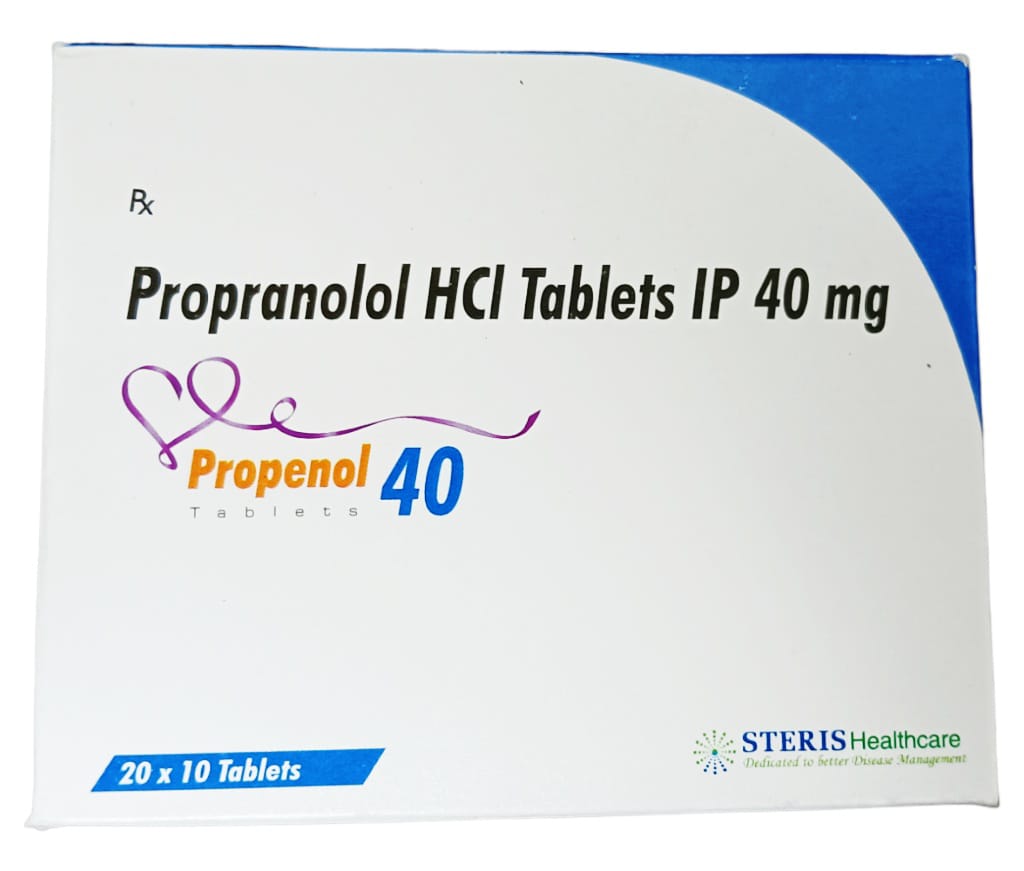
Propranolol 40 mg is a beta-blocker used to manage selected cardiovascular conditions and other symptoms as prescribed by a healthcare professional. It reduces the effects of adrenaline on beta receptors, which can slow the heartbeat and decrease the workload on the heart. Depending on the individual diagnosis and treatment plan, propranolol may be prescribed for high blood pressure, angina, certain irregular heart rhythms, and prevention of migraine. Doctors may also prescribe it for specific physical symptoms of anxiety, including trembling and a rapid heartbeat. The appropriate dose of propranolol 40 mg depends on the condition being treated, the patient’s age, heart rate, blood pressure, medical history, and response to treatment. Although 40 mg is a commonly available tablet strength, it is not appropriate for everyone or every condition. Take it only according to your doctor’s instructions, and do not independently increase, reduce, or change the dosing schedule. Common side effects include tiredness, dizziness, nausea, cold hands or feet, and a slower heartbeat. Propranolol may not be suitable for people with asthma, certain heart conduction disorders, a very slow heart rate, or low blood pressure. People with diabetes should consult their doctor because propranolol can mask some warning signs of low blood sugar. Tell your healthcare professional about kidney or liver problems and all other medicines you use to help assess potential risks and interactions.
कैसे उपयोग करें
Follow your prescription: Take propranolol 40 mg exactly as directed by your doctor. The dose and frequency depend on your condition and individual response. Maintain a regular schedule: Take each dose at the prescribed time. Follow the medicine leaflet or pharmacist’s advice about taking the tablet with or without food. Take the tablet correctly: Swallow it with water according to the product instructions. Do not split the tablet unless the product information or your pharmacist confirms that splitting is suitable. Handle missed doses carefully: If you forget a dose, follow the patient leaflet or ask your pharmacist for advice. Do not take two doses together to make up for a missed dose. Monitor your health: Your doctor may check your heart rate and blood pressure during treatment, especially when starting propranolol or changing the dose. Share your medication history: Inform your doctor about prescription medicines, over-the-counter products, and supplements, particularly those that affect heart rate or blood pressure. Discuss existing conditions: Tell your doctor if you have asthma, diabetes, a slow heartbeat, low blood pressure, circulation problems, or kidney or liver disease. Use caution when driving: If you feel dizzy, tired, or experience blurred vision, avoid driving or operating machinery until you are no longer affected. Do not stop suddenly: Consult your doctor before discontinuing propranolol 40 mg, as abrupt withdrawal may worsen chest pain or other heart-related conditions.