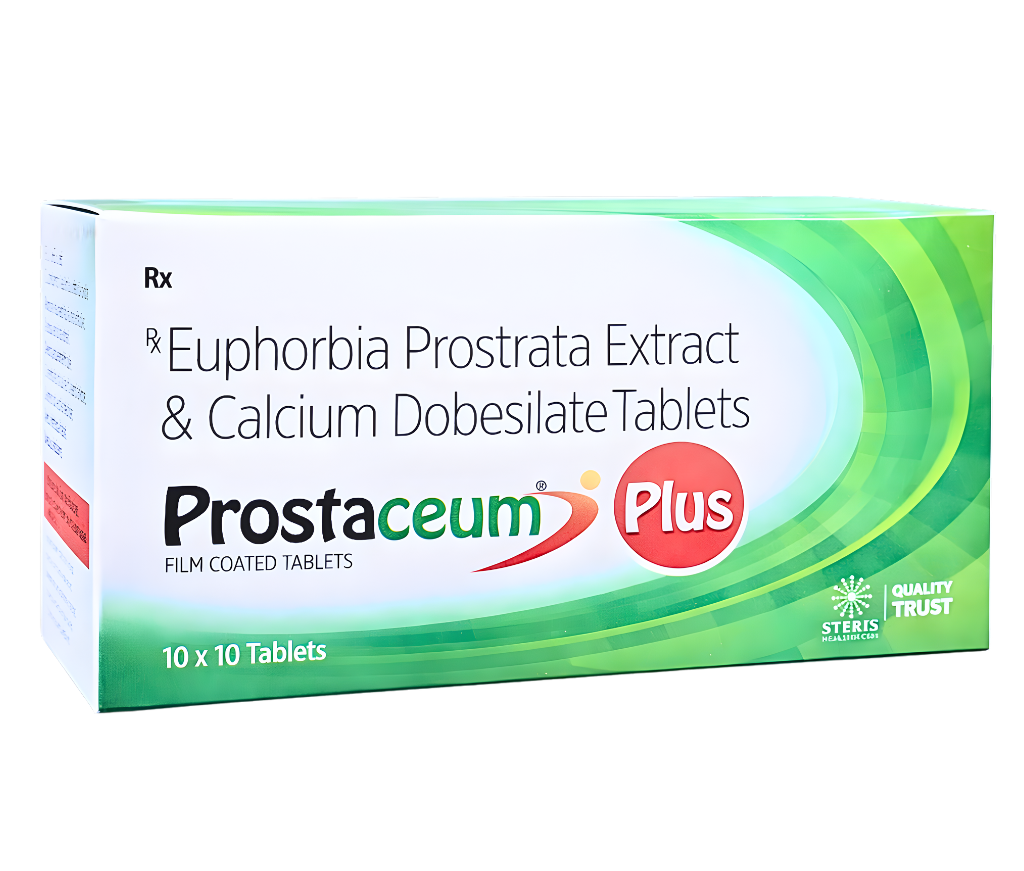

Medicine information
उपयोग
Euphorbia Prostrata Extract and Calcium Dobesilate Tablets combine a plant-derived extract with a vasoprotective medicine. Depending on the exact formulation and approved product information, this combination may be prescribed to help manage selected symptoms associated with haemorrhoids and certain conditions affecting small blood vessels. Euphorbia prostrata extract is derived from a medicinal plant and is included in some formulations intended for anorectal conditions. Its potential benefits depend on the extract's standardisation, concentration, and the clinical evidence supporting the specific product. Calcium dobesilate is a vasoprotective agent that acts on the microcirculation and may help regulate capillary permeability and support microvascular function. The combination may be considered as part of a healthcare professional's treatment plan for selected symptoms, such as anorectal discomfort or swelling. However, its suitability depends on the patient's diagnosis, the severity of symptoms, and the ingredients and strengths in the marketed product. Rectal bleeding, persistent pain, or changes in bowel habits should not automatically be attributed to haemorrhoids without appropriate medical evaluation. Possible side effects may include nausea, stomach discomfort, diarrhoea, or skin reactions. Rare but serious blood-related adverse effects, including agranulocytosis, have been reported with calcium dobesilate. Seek urgent medical advice if you develop fever, sore throat, or mouth ulcers during treatment.
कैसे उपयोग करें
Confirm the product composition: Check the packaging for the amount of Euphorbia prostrata extract, the strength of calcium dobesilate, and any additional ingredients. Different brands may contain different strengths or standardised extracts. Follow your prescribed dose: Take the medicine exactly as directed by your healthcare professional. Do not increase the number of tablets or extend treatment independently if symptoms persist. Take the tablet as instructed: Swallow the tablet with water according to the product label. If your doctor or pharmacist recommends taking it with food to reduce stomach discomfort, follow that advice. Maintain good bowel habits: If the medicine has been prescribed for haemorrhoid-related symptoms, drink adequate fluids when medically appropriate, eat fibre-rich foods, and avoid excessive straining during bowel movements. Inform your doctor about medical conditions: Discuss kidney disease, liver problems, blood disorders, allergies, pregnancy, and breastfeeding before starting treatment. Review other medicines: Tell your healthcare professional about all prescription medicines, non-prescription products, and supplements you use to help identify possible interactions. Monitor for adverse effects: Report persistent stomach discomfort, unusual skin reactions, or other unexpected symptoms. Seek urgent medical assessment if you develop fever, sore throat, or mouth ulcers because these may indicate a rare but serious blood-related reaction associated with calcium dobesilate. Do not double a missed dose: Follow the package leaflet or ask your pharmacist what to do if you forget a dose. Do not take two doses together unless specifically instructed. Seek medical evaluation for warning signs: Rectal bleeding, severe anal pain, black stools, or persistent symptoms require medical assessment rather than continued self-treatment. Store the product correctly: Keep the tablets in their original packaging, away from excessive heat and moisture, and out of children's reach. Follow the manufacturer's storage instructions. Attend follow-up appointments: If symptoms do not improve within the period advised by your doctor, return for reassessment rather than continuing the medicine indefinitely.