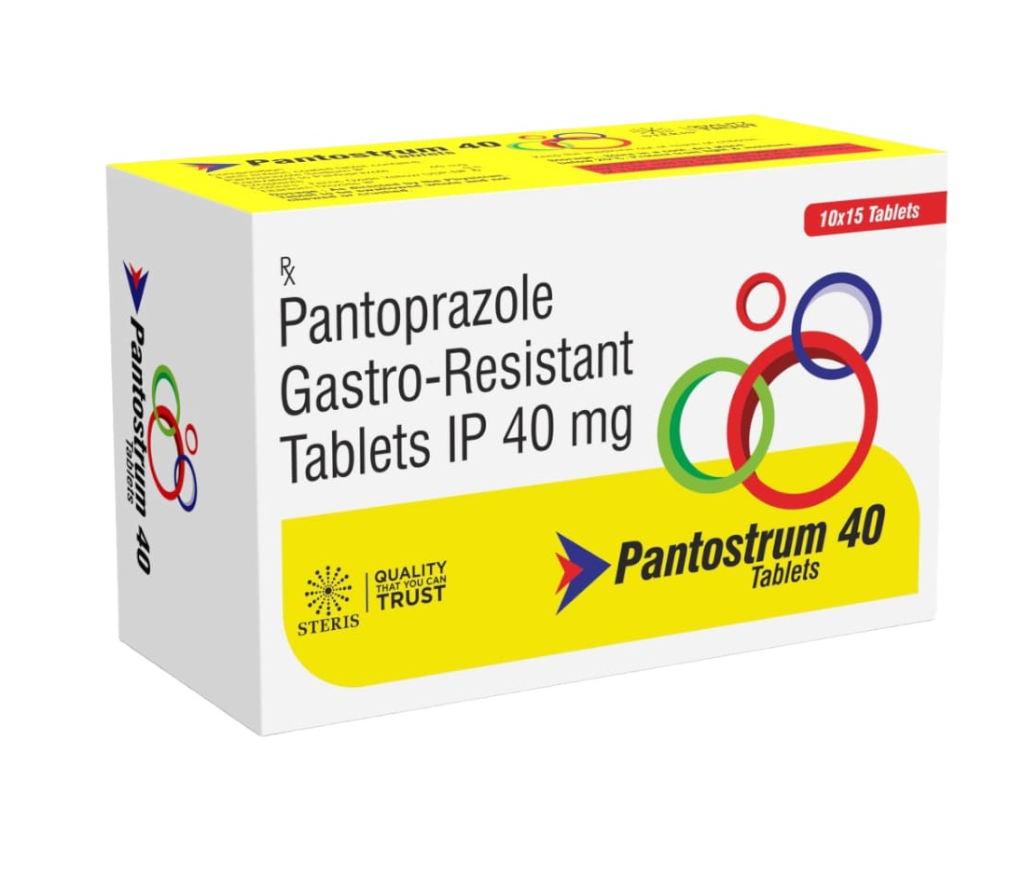


Medicine information
उपयोग
EC Rabeprazole 20 mg + Aceclofenac 200 mg SR combines a medicine that reduces stomach acid with an anti-inflammatory pain reliever. It may be prescribed for selected patients experiencing musculoskeletal pain and inflammation who also require acid-reducing treatment. Rabeprazole 20 mg is an enteric-coated proton pump inhibitor that reduces acid production in the stomach. It is used for certain acid-related conditions and may help reduce acid-related irritation. However, it does not eliminate all gastrointestinal risks associated with anti-inflammatory medicines. Aceclofenac 200 mg SR is a sustained-release non-steroidal anti-inflammatory drug (NSAID) that helps relieve pain, swelling, and stiffness associated with conditions affecting joints, muscles, and other musculoskeletal tissues. The sustained-release formulation is designed to release the medicine over time. Patients searching for Rabeprazole 20 mg Aceclofenac 200 mg SR uses or planning to buy this combination online in India should consult a qualified healthcare professional to confirm the exact formulation and suitability. Aceclofenac may increase the risk of stomach ulcers, bleeding, cardiovascular events, and kidney problems, even when combined with a PPI. Purchase from a reputable, licensed pharmacy and verify the product label, manufacturer, strength, and expiry date. Inform your doctor about existing medical conditions, allergies, and other medicines before starting treatment. Use this combination for the prescribed duration only.
कैसे उपयोग करें
Follow the prescribed dose: Take the medicine exactly as directed by your healthcare professional. Do not increase the dose or continue treatment longer than recommended. Take it at the recommended time: Follow your prescription regarding meal timing. Aceclofenac is often taken with or after food to help reduce stomach discomfort, while rabeprazole has formulation-specific administration instructions. Swallow the tablet whole: Because the product may contain enteric-coated and sustained-release components, do not crush, chew, or break the tablet unless the product leaflet explicitly permits it. Avoid combining similar painkillers: Do not take additional NSAIDs, such as ibuprofen, diclofenac, or naproxen, unless your doctor approves. Combining them may increase the risk of bleeding and kidney problems. Tell your doctor about other medicines: Inform your healthcare professional if you take blood thinners, aspirin, blood pressure medicines, or other prescription and non-prescription products. Discuss existing health conditions: Seek medical advice before use if you have a history of stomach ulcers, gastrointestinal bleeding, kidney or liver disease, heart disease, or uncontrolled high blood pressure. Watch for warning signs: Seek urgent medical attention for black stools, vomiting blood, severe abdominal pain, chest pain, breathing difficulties, or facial swelling. Use for the prescribed duration: Do not self-medicate or repeat courses without professional guidance. Contact your doctor if pain persists or worsens.