
Medicine information
उपयोग
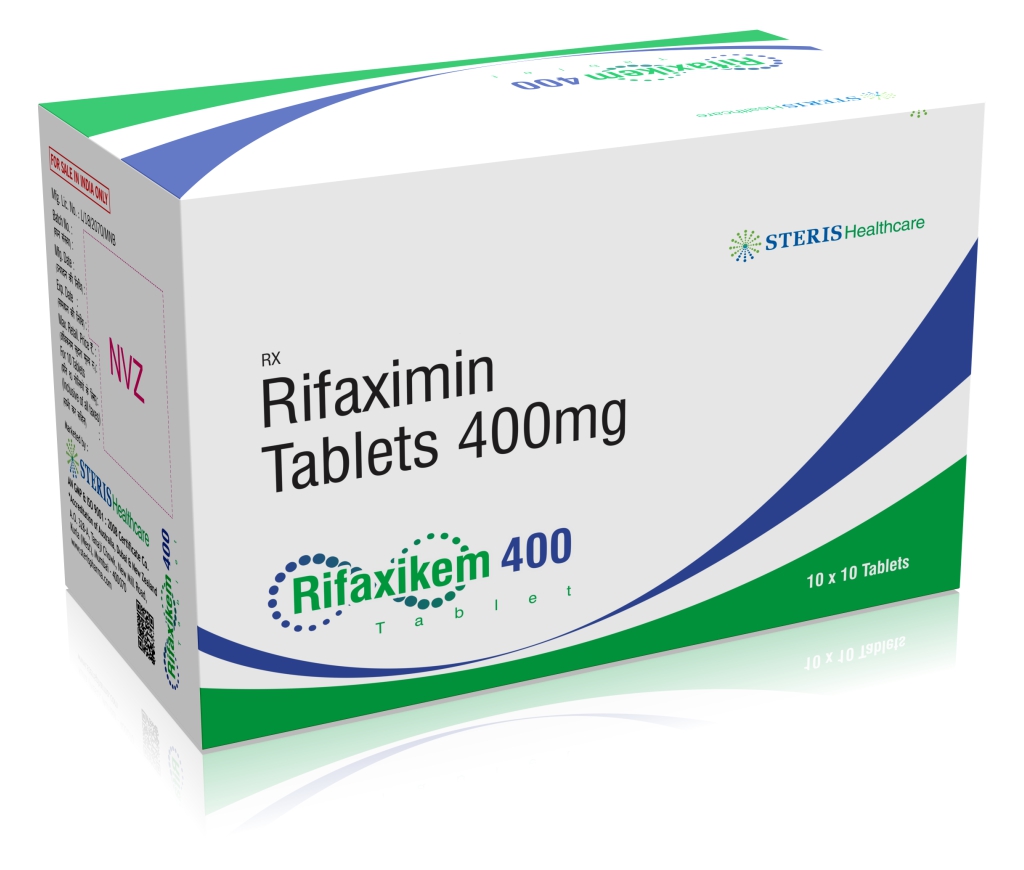
Rifaximin 400 mg is an intestinal antibiotic belonging to the rifamycin group. It works by inhibiting bacterial RNA synthesis, helping prevent susceptible bacteria from growing. Because rifaximin is minimally absorbed into the bloodstream, its antibacterial activity occurs mainly within the gastrointestinal tract. Healthcare professionals may prescribe rifaximin for certain intestinal infections or other approved gastrointestinal conditions, depending on the patient's diagnosis, local treatment guidelines, and the specific product's authorised indications. It is important to understand that rifaximin does not treat viral infections or every cause of diarrhoea, and the 400 mg strength is not suitable for every patient or condition. Patients searching for Rifaximin 400 mg uses or planning to buy Rifaximin 400 mg online in India should consult a qualified healthcare professional before starting treatment. Your doctor can determine whether an antibiotic is necessary and recommend the appropriate strength and duration. For online medicine purchases in India, select a reputable, licensed pharmacy and verify the manufacturer's details, packaging, product strength, and expiry date. Possible side effects include nausea, abdominal discomfort, headache, and changes in bowel movements. Seek medical attention if you develop severe or persistent diarrhoea, blood in your stools, high fever, or signs of dehydration. Use rifaximin exactly as prescribed and do not share antibiotics with others.
कैसे उपयोग करें
Follow your prescribed dose: Take Rifaximin 400 mg exactly as directed by your healthcare professional. Do not increase the dose or take extra tablets to obtain faster relief. Check food instructions: Rifaximin can generally be taken with or without food, but follow the instructions on your product leaflet and prescription. Swallow the tablet with water: Take the tablet as directed. Do not crush, split, or alter the dosage form unless your pharmacist confirms this is appropriate. Complete the prescribed course: Continue treatment for the recommended duration, even if you start feeling better. Do not extend treatment or repeat a course without medical advice. Handle missed doses safely: If you forget a dose, follow the patient leaflet or ask your pharmacist for guidance. Never take a double dose to compensate. Maintain hydration: If you have diarrhoea, drink adequate fluids and use oral rehydration solution (ORS) when appropriate to replace lost fluids and electrolytes. Tell your doctor about other medicines: Share information about all medicines and supplements you take, particularly if you have liver disease or use other antibiotics. Monitor symptoms: Seek medical attention if symptoms persist or worsen, or if you experience fever, blood in your stools, severe abdominal pain, or dehydration. Recognise allergic reactions: Seek urgent medical assistance if you develop facial swelling, difficulty breathing, or another serious allergic reaction.