
Medicine information
उपयोग
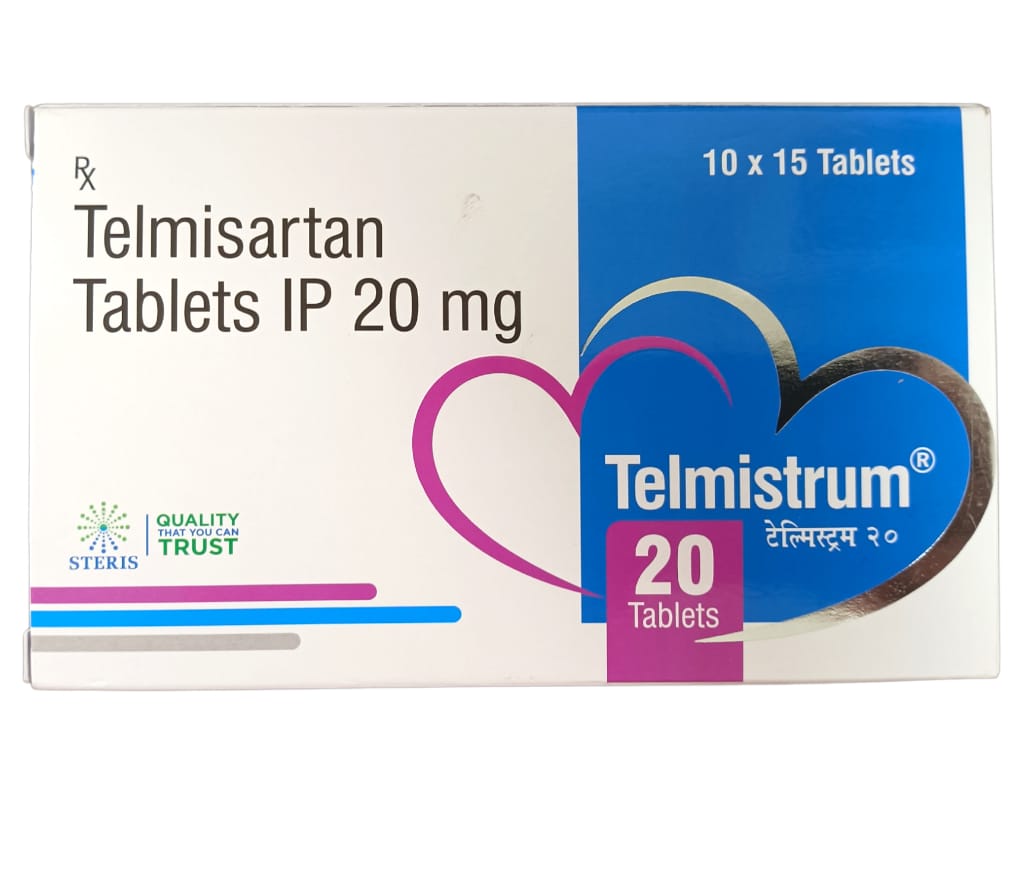
Telmisartan 20 mg is an oral prescription medicine used to manage high blood pressure, also known as hypertension. It belongs to the angiotensin II receptor blocker (ARB) class. Telmisartan works by blocking the action of angiotensin II, a substance that narrows blood vessels. This helps blood vessels relax, improves blood flow, and lowers blood pressure. Maintaining blood pressure within the recommended range can help reduce the long-term risk of complications such as stroke, heart attack, and other cardiovascular problems. The 20 mg strength may be prescribed when a lower starting dose or an individually adjusted dose is appropriate. The exact dose and treatment plan depend on the patient's blood pressure readings, kidney function, other medical conditions, and response to therapy. Telmisartan 20 mg is generally taken once daily, with or without food, according to the doctor's instructions. Some people may experience dizziness, light-headedness, or low blood pressure, particularly when starting treatment or becoming dehydrated. Your doctor may recommend monitoring blood pressure, kidney function, and potassium levels during treatment.
कैसे उपयोग करें
Follow your prescription: Take the exact dose recommended by your healthcare professional. Do not increase or decrease the dose on your own, even if your blood pressure readings improve. Take it once daily if prescribed: Telmisartan is commonly taken once a day. Try to take the tablet at the same time each day to maintain a consistent routine. Take it with or without food: Telmisartan tablets can generally be taken with or without meals. Swallow the tablet with water and follow the instructions on the specific product leaflet. If you miss a dose: Take the missed dose when you remember, unless it is nearly time for your next dose. If it is nearly time, skip the missed dose and continue your regular schedule. Do not take two doses together. Monitor your blood pressure: Check your blood pressure as advised by your doctor and attend scheduled follow-up appointments. Your healthcare professional may also monitor kidney function and blood potassium levels. Prevent dehydration: Drink adequate fluids according to your medical advice. Vomiting, diarrhoea, excessive sweating, or dehydration can increase the risk of low blood pressure and kidney problems. Review other medicines: Tell your doctor about all medicines and supplements you take, particularly other blood pressure medicines, potassium supplements, potassium-containing salt substitutes, lithium, and anti-inflammatory painkillers such as ibuprofen. Do not stop treatment independently: High blood pressure may not cause noticeable symptoms. Continue treatment as prescribed unless your healthcare professional advises otherwise. Know when to seek medical help: Seek urgent medical attention for facial or throat swelling, difficulty breathing, fainting, or other severe symptoms.