
Medicine information
उपयोग
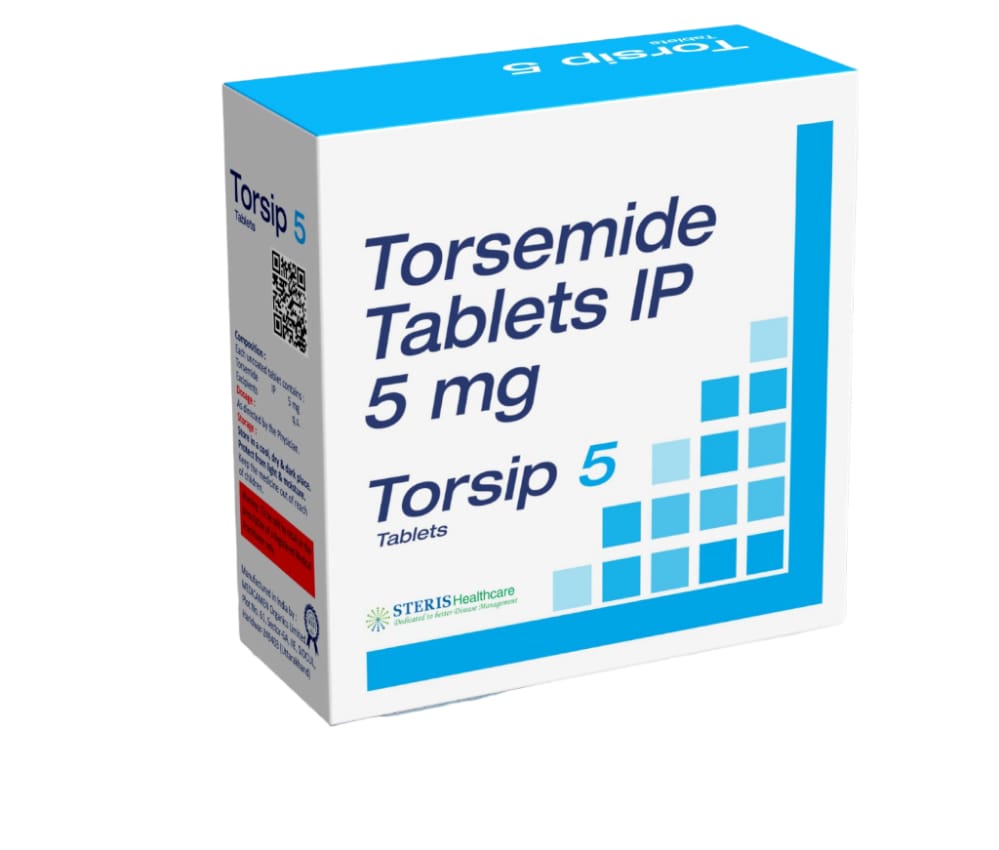
Torsemide 5 mg is a prescription medicine used to help manage fluid retention, also known as edema, associated with certain medical conditions. It belongs to the loop diuretic class and works by helping the kidneys eliminate excess sodium and water through urine. This action can reduce fluid accumulation, swelling in the legs and ankles, and other symptoms associated with excess fluid in the body. Doctors may prescribe torsemide for edema associated with heart failure and, in selected cases, kidney or liver disorders. Depending on the patient's condition and local prescribing guidance, torsemide may also be used to manage high blood pressure. The appropriate dose depends on the diagnosis, severity of fluid retention, kidney function, blood pressure, and response to treatment. Torsemide 5 mg is not necessarily the appropriate dose for every patient. During treatment, your doctor may monitor blood pressure, kidney function, electrolyte levels, and hydration status. Excessive fluid loss can cause dehydration, dizziness, low blood pressure, or electrolyte imbalances. Do not start, stop, or adjust Torsemide 5 mg without medical advice. Use it as part of an individualized treatment plan alongside any recommended dietary and lifestyle measures.
कैसे उपयोग करें
Follow your prescribed dose: Take only the amount recommended by your healthcare professional. Torsemide 5 mg may not be the appropriate dose for every condition or patient. Take it at the recommended time: Torsemide is commonly taken once daily. Taking it in the morning may help reduce nighttime urination, but follow the schedule provided by your doctor. Swallow the tablet with water: Follow the instructions on the medicine packaging. Do not change the dose or split the tablet unless your doctor or pharmacist confirms this is appropriate. Manage missed doses carefully: If you miss a dose, follow your product leaflet or ask your pharmacist for advice. Do not take a double dose to compensate for a missed tablet. Follow fluid intake recommendations: Torsemide increases urine production. Ask your doctor how much fluid you should drink, especially if you have heart failure, kidney disease, or liver disease. Monitor your blood pressure: Check your readings as recommended. Stand up slowly to reduce the risk of dizziness or lightheadedness caused by low blood pressure. Attend regular blood tests: Your doctor may monitor kidney function and electrolytes, including sodium and potassium, to identify dehydration or imbalances. Check for medicine interactions: Inform your doctor about all medicines and supplements you take, particularly other diuretics, blood pressure medicines, lithium, and anti-inflammatory painkillers such as ibuprofen. Recognize warning signs: Contact your healthcare professional if you experience persistent dizziness, muscle cramps, unusual weakness, or a significant reduction in urine output. Severe dehydration, fainting, or confusion requires urgent medical assessment. Continue medical follow-up: Do not discontinue torsemide simply because swelling improves. Your doctor will determine how long treatment should continue.