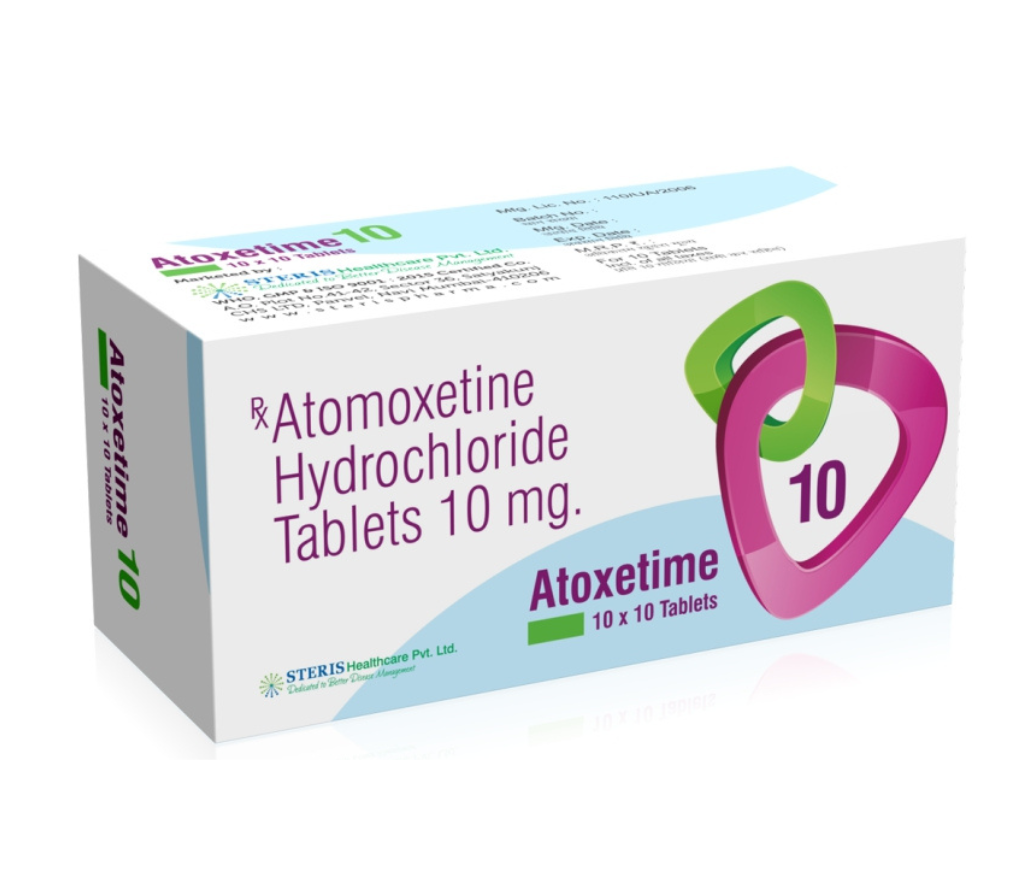

Medicine information
Uses & overview
Atomoxetine 10 mg is a prescription medicine primarily used to manage Attention-Deficit/Hyperactivity Disorder (ADHD). ADHD can affect concentration, attention, impulse control, and activity levels, potentially interfering with school, work, and everyday activities. Atomoxetine may be prescribed for children, adolescents, and adults according to the applicable product approval, clinical assessment, and individual treatment requirements. Atomoxetine belongs to the selective norepinephrine reuptake inhibitor (NRI) class. It works by reducing the reuptake of norepinephrine, a chemical messenger involved in attention and behavioural regulation. Unlike stimulant medicines used for ADHD, atomoxetine is a non-stimulant treatment. Improvement may take several weeks, so patients should follow their doctor's treatment plan rather than expecting immediate results. Common side effects may include reduced appetite, nausea, stomach discomfort, tiredness, dizziness, and changes in sleep. In some patients, atomoxetine may increase heart rate or blood pressure. Rare but serious risks include liver injury, severe allergic reactions, and increased suicidal thoughts or behaviours in children and adolescents. Medical supervision and appropriate follow-up are therefore important throughout treatment. Do not increase the dose, discontinue treatment, or give Atomoxetine 10 mg to another person without medical advice. Tell your doctor about existing medical conditions and all medicines you take, particularly monoamine oxidase inhibitors (MAOIs) and medicines that may interact with atomoxetine.
How to use
1. Take as prescribed: Use Atomoxetine 10 mg only under the guidance of a qualified healthcare professional. The appropriate dose depends on age, body weight, medical history, and treatment response. 2. Follow a regular schedule: Take the medicine at the time recommended by your doctor. Depending on the prescription, the total daily dose may be taken once daily or divided into separate doses. 3. Take with or without food: Atomoxetine can generally be taken with or without food. Follow the instructions supplied with your specific product. 4. Swallow the capsule whole: Do not open, crush, or chew the capsule. Its contents may irritate the eyes. If the powder accidentally contacts your eyes, rinse immediately with water and seek medical advice if irritation persists. 5. Handle missed doses carefully: Follow your prescription instructions if you miss a dose. Never take extra doses to compensate, and do not exceed the prescribed total daily amount. 6. Inform your doctor about other medicines: Report all prescription medicines, supplements, and over-the-counter products you use, especially MAOIs and medicines that can affect atomoxetine metabolism. 7. Attend follow-up appointments: Your doctor may monitor blood pressure, heart rate, appetite, growth in children, mood, and treatment response. 8. Report concerning symptoms: Seek prompt medical advice for unusual mood changes, yellowing of the skin or eyes, dark urine, chest pain, or fainting.