
Medicine information
Uses & overview
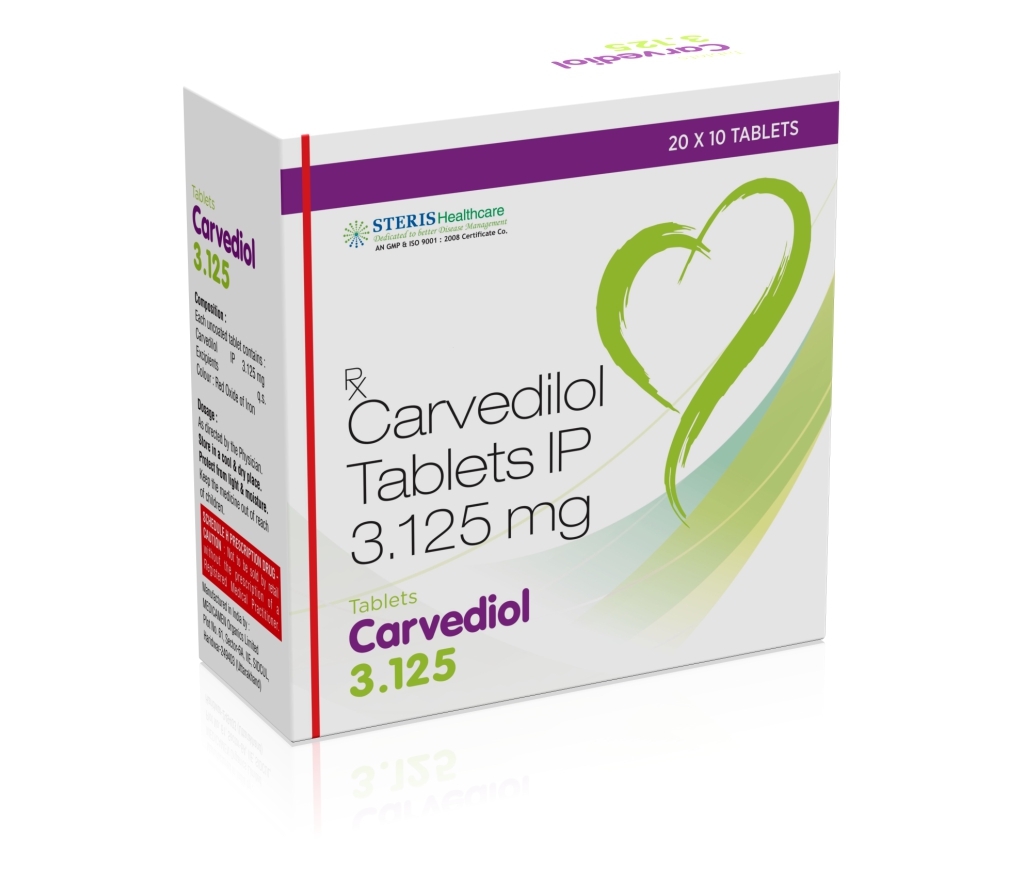
Carvedilol 3.125 mg is a prescription medicine used to manage certain heart conditions, including heart failure and high blood pressure, when recommended by a healthcare professional. It belongs to the beta-blocker class and also blocks alpha-1 receptors, helping slow the heart rate and relax blood vessels to improve blood flow. This medicine may help reduce the workload on the heart and support long-term cardiovascular management. If you are looking to buy Carvedilol 3.125 mg tablets online in India, consult your doctor to confirm the appropriate dosage and suitability for your condition. Check product availability, pricing, and prescription requirements through a trusted Indian pharmacy or pharmaceutical supplier. Take Carvedilol 3.125 mg exactly as prescribed, generally with food, and do not stop treatment suddenly without medical advice.
How to use
Carvedilol 3.125 mg is a prescription medicine used to manage certain heart conditions, including heart failure and high blood pressure, when prescribed by a doctor. It helps relax blood vessels and reduce the workload on the heart. Follow your healthcare professional's instructions carefully to use this medicine safely. Take the prescribed dose: Use Carvedilol 3.125 mg exactly as directed by your doctor. The dosage depends on your medical condition, heart rate, blood pressure, and response to treatment. Take it with food: Carvedilol is generally taken with food to slow its absorption and reduce the risk of dizziness when standing up. Maintain a regular schedule: Take the medicine at the same times each day as instructed by your doctor. Do not change the timing or frequency without medical advice. Swallow with water: Take the tablet with a glass of water and follow the instructions provided by your pharmacist. Do not stop suddenly: Stopping Carvedilol abruptly can worsen certain heart conditions. Consult your doctor before discontinuing or changing your treatment. Monitor blood pressure and heart rate: Check these regularly as recommended by your healthcare professional to evaluate your response to treatment. Stand up slowly: This medicine may cause dizziness or light-headedness, particularly when starting treatment. Move gradually from sitting or lying down to standing. Inform your doctor about other medicines: Tell your healthcare professional about all medicines and supplements you take to help prevent potential drug interactions. Attend regular check-ups: Follow-up visits help your doctor assess your progress and adjust the dose when necessary. Report unusual symptoms: Seek medical advice if you experience persistent dizziness, an unusually slow heartbeat, worsening breathlessness, or swelling of the feet or ankles.