
Medicine information
Uses & overview
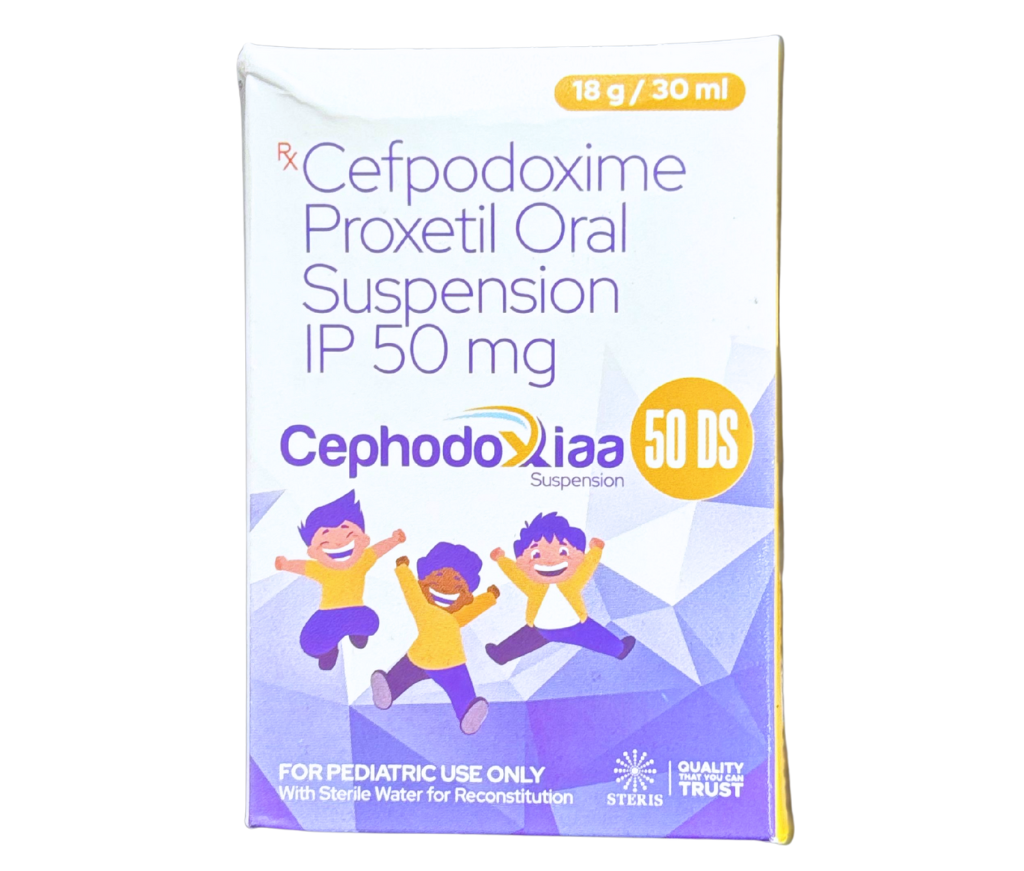
Cefpodoxime Proxetil is a prescription cephalosporin antibiotic used to treat certain bacterial infections caused by susceptible microorganisms. It is a prodrug that is converted in the body to cefpodoxime, which works by interfering with bacterial cell-wall formation and helps stop the growth of susceptible bacteria. Depending on the infection and medical assessment, Cefpodoxime Proxetil may be prescribed for certain respiratory tract, throat, ear, urinary tract, skin, and other bacterial infections. This antibiotic should be used only after consultation with a qualified healthcare professional. The appropriate dose and treatment duration depend on factors such as the type and severity of infection, age, kidney function, and the prescribed dosage form. Cefpodoxime Proxetil does not treat viral infections such as the common cold or influenza, and unnecessary antibiotic use can contribute to antimicrobial resistance.
How to use
Take only as prescribed: Use Cefpodoxime Proxetil strictly according to the dose, frequency, and duration recommended by your doctor. Do not change the dose or stop treatment without professional medical advice. Take with food: Cefpodoxime Proxetil tablets are generally recommended to be taken with food, as food improves absorption. Follow the instructions provided on your prescription or medicine label. Swallow properly: Swallow the tablet whole with a sufficient amount of water. Do not crush, chew, or break the tablet unless your healthcare professional specifically instructs you to do so. For oral suspension: If you are prescribed Cefpodoxime Proxetil suspension, shake the bottle well before every dose. Measure the required quantity using the supplied measuring cup or oral syringe rather than a household spoon. Maintain regular dosing: Take each dose at evenly spaced times as instructed. Taking the antibiotic consistently helps maintain an appropriate amount of medicine in the body. Complete the course: Continue taking Cefpodoxime Proxetil for the full duration prescribed, even if your symptoms improve. Stopping an antibiotic early may allow the infection to return and can contribute to antibiotic resistance. Missed dose: If you forget a dose, take it when you remember unless it is almost time for your next dose. Do not take two doses together to compensate for a missed dose. Tell your doctor about allergies: Inform your healthcare professional if you have previously experienced an allergy to cefpodoxime, cephalosporins, penicillins, or other antibiotics. Kidney problems: Inform your doctor if you have kidney disease, as dosage adjustments may be required depending on kidney function.