
Medicine information
Uses & overview
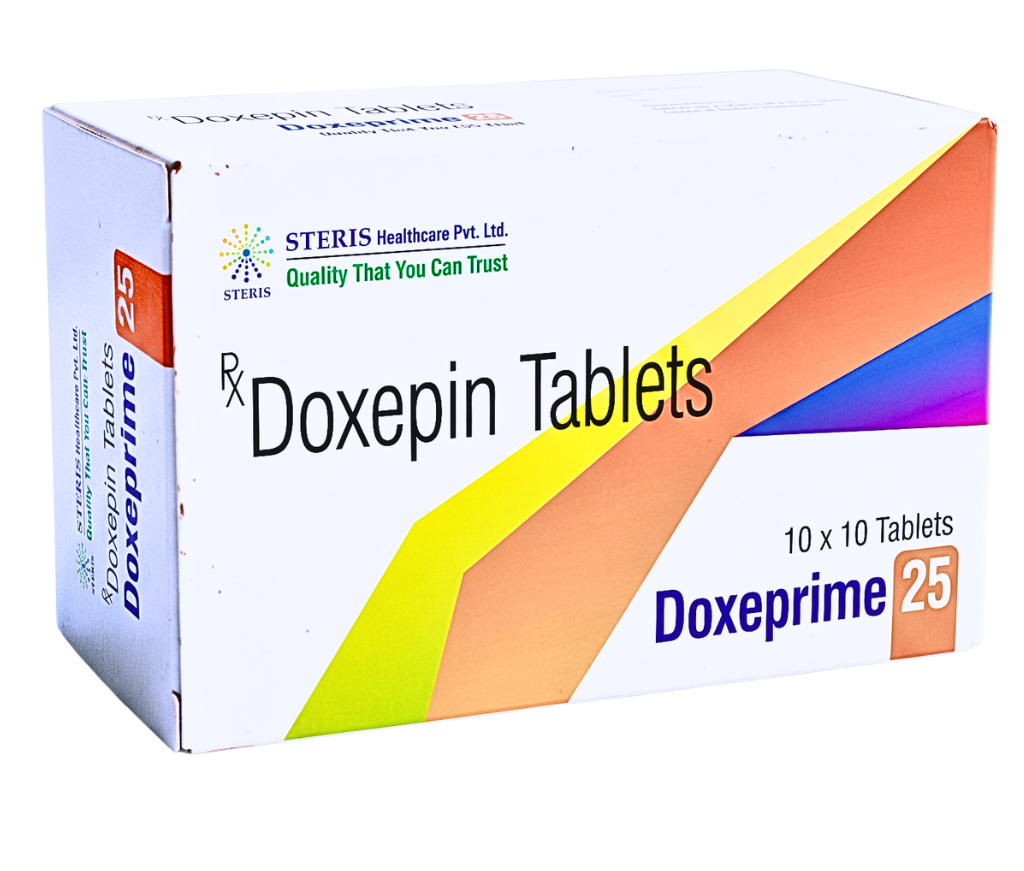
Doxepin Hydrochloride 25 mg Tablets contain doxepin hydrochloride, a tricyclic antidepressant used to treat selected mental health conditions under medical supervision. Depending on the patient's diagnosis and the approved indication of the specific product, a healthcare professional may prescribe doxepin for depression or certain anxiety-related symptoms. The appropriate use depends on individual circumstances, and this medicine is not suitable for everyone. Doxepin works by affecting the reuptake of serotonin and noradrenaline, two neurotransmitters involved in mood regulation. It also has antihistamine activity, which can contribute to drowsiness. The benefits and time required to notice improvement vary between individuals. A doctor should determine whether the 25 mg strength is appropriate based on the patient's symptoms, age, medical history, and other medicines. Common side effects may include dry mouth, constipation, dizziness, blurred vision, and drowsiness. Doxepin may also cause a drop in blood pressure when standing, and excessive doses can be dangerous. People with certain heart conditions, glaucoma, urinary retention, seizure disorders, or a history of bipolar disorder should inform their healthcare professional before starting treatment. Do not combine it with monoamine oxidase inhibitors (MAOIs), and discuss all medicines and supplements with your doctor because serious interactions can occur.
How to use
Follow the prescribed dose: Take only the amount recommended by your doctor. Do not increase or reduce the dose independently. Follow the recommended timing: Take the tablet at the time specified on your prescription. If it causes drowsiness, ask your doctor whether evening administration is appropriate. Follow food instructions: Use the medicine according to the product leaflet and your pharmacist's advice regarding food and administration. Swallow the tablet as directed: Do not crush or alter the tablet unless your pharmacist confirms that doing so is appropriate for your specific product. Manage missed doses carefully: Follow the leaflet's advice or ask your pharmacist. Do not double the next dose to compensate for a missed tablet. Avoid alcohol and sedatives: Alcohol and other medicines that cause drowsiness may increase sedation and impair coordination. Tell your doctor about other medicines: Report all prescription medicines, over-the-counter products, and supplements, especially antidepressants, sleeping tablets, and medicines affecting heart rhythm. Monitor side effects: Seek medical advice if you experience persistent dizziness, severe constipation, difficulty urinating, or a rapid or irregular heartbeat. Do not stop suddenly: Stopping doxepin abruptly may cause withdrawal symptoms or a return of symptoms. Ask your doctor how to reduce or discontinue it safely. Store safely: Keep the medicine in its original packaging, away from excessive heat and moisture, and out of children's reach.