
Medicine information
Uses & overview
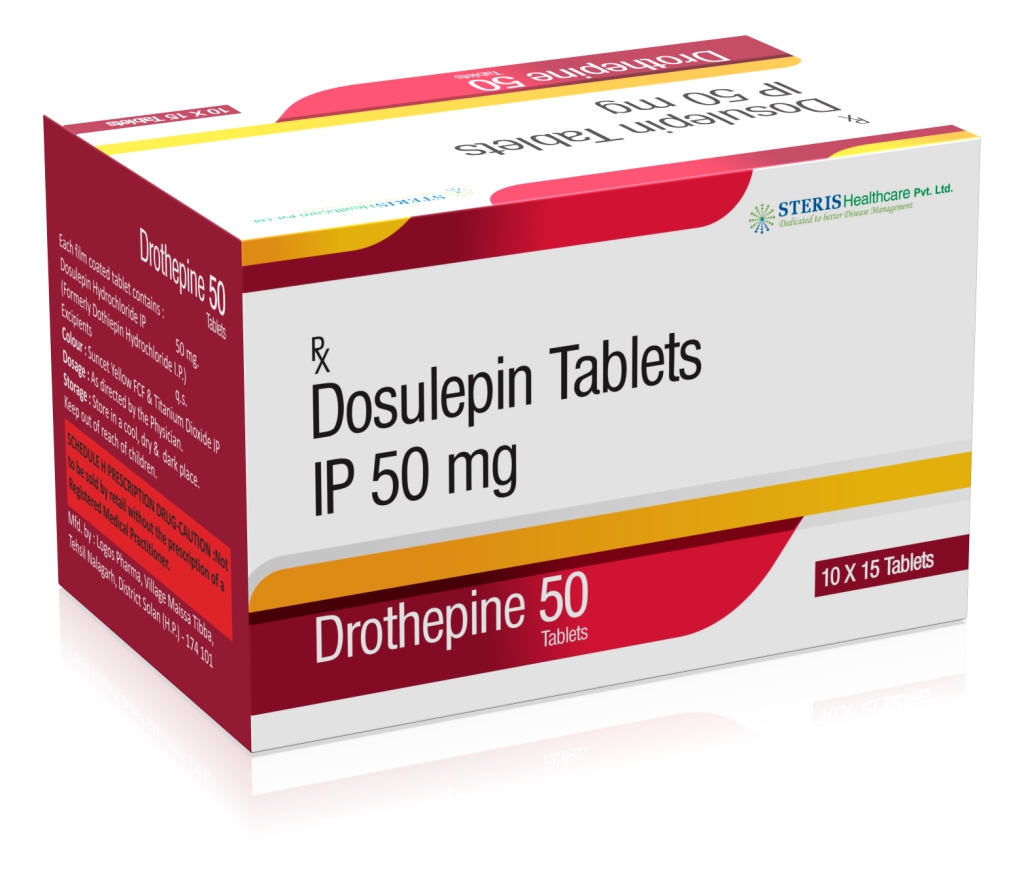
Dosulepin 50 mg is a tricyclic antidepressant prescribed for the treatment of depression under medical supervision. In some circumstances, a healthcare professional may consider it for associated anxiety symptoms. Its suitability depends on the patient's diagnosis, medical history, other medicines, and the applicable prescribing guidance. Dosulepin is not intended for self-treatment or unsupervised use. Dosulepin acts on neurotransmitters in the central nervous system, particularly serotonin and noradrenaline, which contribute to mood regulation. By affecting their reuptake, the medicine can help relieve depressive symptoms in appropriate patients. Improvement may take several weeks, and the response varies between individuals. Patients should continue treatment as directed and attend follow-up appointments so that their doctor can assess effectiveness and tolerability. Common side effects may include dry mouth, constipation, blurred vision, dizziness, drowsiness, and difficulty passing urine. Dosulepin can also cause serious heart rhythm disturbances, especially in overdose, making careful prescribing particularly important. It may be unsuitable for people with certain heart conditions, glaucoma, urinary retention, or a history of seizures. People with a history of bipolar disorder should inform their doctor before treatment, as antidepressants may trigger mood elevation in susceptible individuals.
How to use
Follow the prescribed dose: Take only the amount recommended by your doctor. Do not increase, reduce, or change the schedule independently. Take it at the recommended time: Follow your prescription. If the medicine causes drowsiness, ask your doctor whether taking it in the evening is appropriate. Follow food instructions: Use the medicine according to the product leaflet and your pharmacist's advice about administration with or without food. Swallow the tablet as directed: Do not crush or alter the tablet unless your pharmacist confirms that this is suitable for your specific product. Manage missed doses carefully: Follow the leaflet or ask your pharmacist for guidance. Never take a double dose to compensate for a missed tablet. Avoid alcohol: Alcohol can increase drowsiness and dizziness and may impair judgement and coordination during treatment. Inform your doctor about other medicines: Report all prescription medicines, over-the-counter products, and supplements, especially antidepressants, sedatives, and medicines that affect heart rhythm. Attend follow-up appointments: Your doctor can monitor symptom improvement, side effects, and whether treatment remains appropriate. Do not stop suddenly: Abrupt discontinuation may cause withdrawal symptoms or a return of symptoms. Ask your doctor for guidance before stopping or reducing the dose. Store safely: Keep the tablets in their original packaging, away from excessive heat and moisture, and out of children's reach.