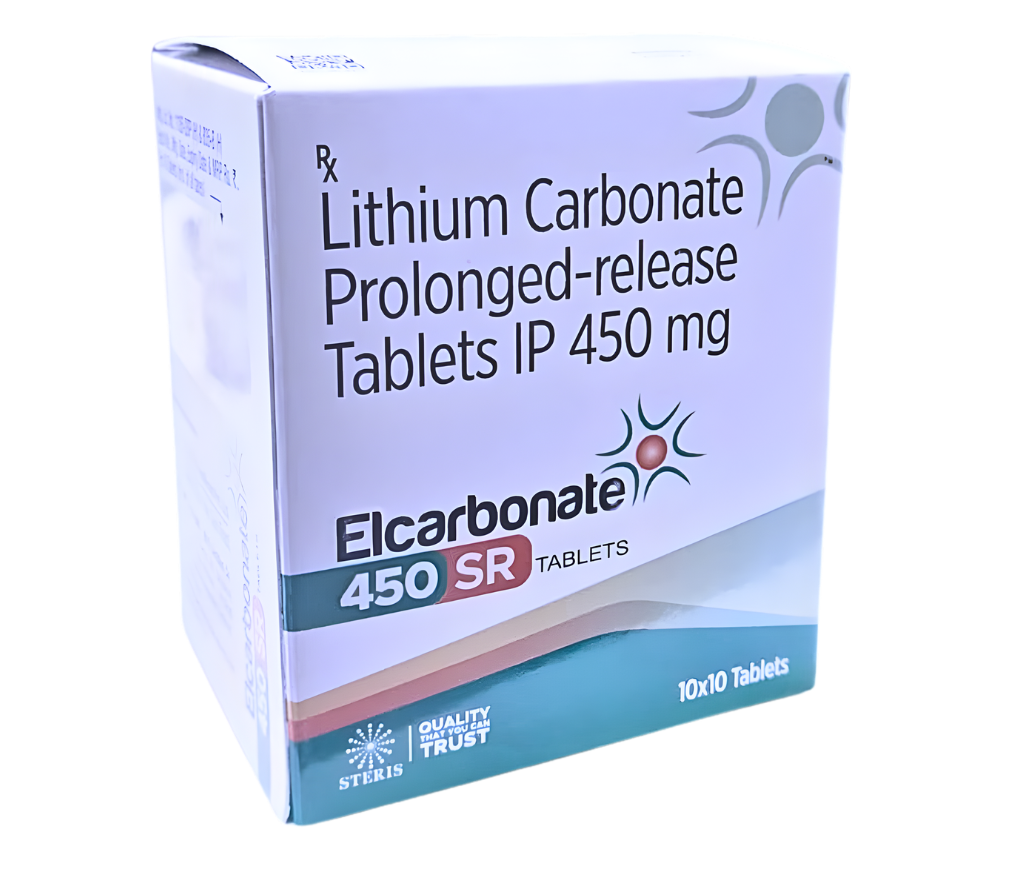

Medicine information
Uses & overview
Lithium Carbonate is a prescription medication widely used in the treatment and long-term management of bipolar disorder, a mental health condition characterized by significant changes in mood, energy, and activity levels. It is primarily prescribed to help control manic episodes, stabilize mood, and reduce the risk of future mood disturbances. By influencing chemical signaling in the brain, Lithium Carbonate helps support emotional stability and ongoing mental health care. The dosage and treatment duration of Lithium Carbonate depend on the patient's medical history, symptoms, response to treatment, kidney function, and blood lithium levels. Regular medical monitoring is essential because lithium has a narrow therapeutic range, meaning that the difference between an effective dose and a potentially toxic dose can be small. Common side effects may include nausea, hand tremors, increased thirst, frequent urination, and weight changes.
How to use
Follow the prescribed dosage: Take Lithium Carbonate in the exact strength and amount recommended by your healthcare professional. The dose is individualized according to your condition, response to treatment, kidney function, and blood lithium levels. Take it consistently: Take your medication at the prescribed times each day. Follow the instructions on the product label regarding food and administration, and do not change your routine without medical advice. Swallow tablets as directed: If you are prescribed an extended-release formulation, swallow it whole unless your pharmacist or product instructions specifically advise otherwise. Do not crush or chew extended-release tablets. Maintain adequate hydration: Drink fluids regularly, particularly during hot weather, exercise, fever, vomiting, or diarrhea. Dehydration can increase lithium levels and raise the risk of toxicity. Keep salt intake consistent: Avoid sudden major changes in your dietary salt intake. Discuss any recommended dietary changes with your doctor. Attend regular blood tests: Your healthcare provider may monitor lithium levels, kidney function, thyroid function, and other relevant health indicators to help ensure treatment remains safe. Check other medications: Tell your doctor about all prescription medicines, over-the-counter products, and supplements you use. Some anti-inflammatory painkillers, diuretics, and blood pressure medicines can interact with lithium. Handle missed doses carefully: Follow your prescriber’s instructions if you miss a dose. Do not double the next dose to compensate.
Storage
Store in cool and dry place