
Medicine information
Uses & overview
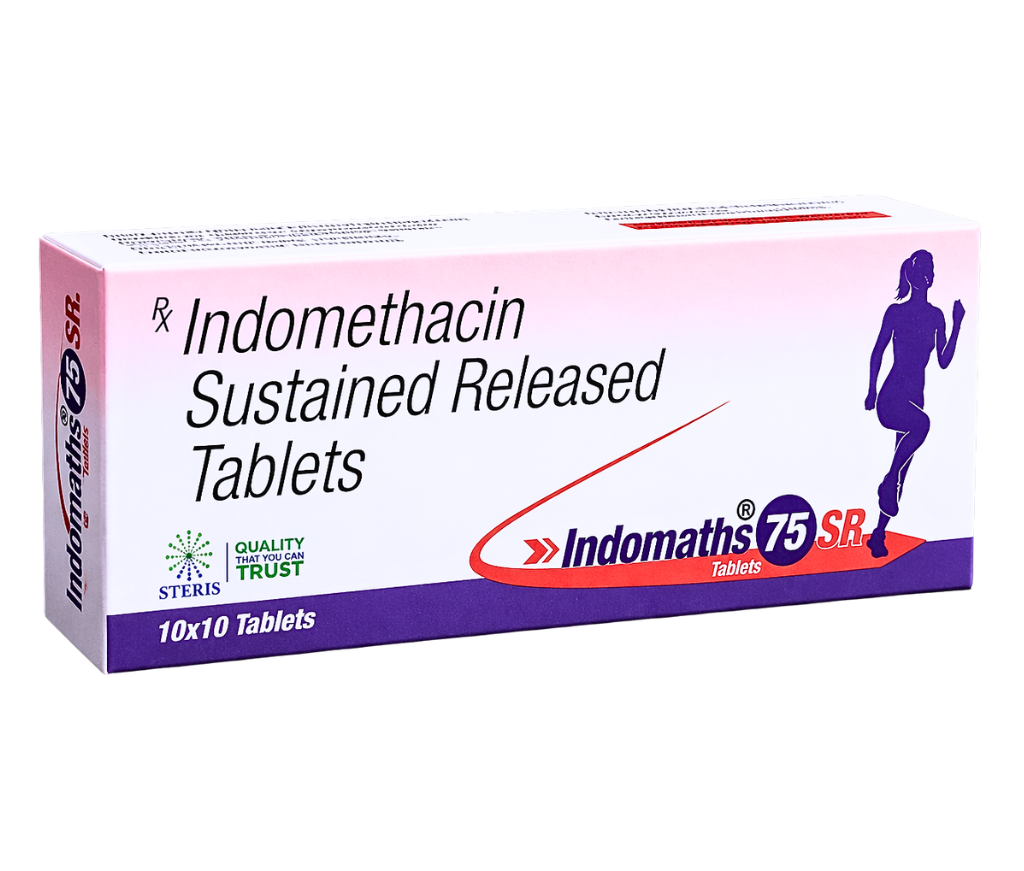
Indomethacin Sustained Released Tablets 75mg contain indomethacin, a potent non-steroidal anti-inflammatory drug (NSAID) used for the symptomatic treatment of pain and inflammation. Depending on the patient's condition, it may be prescribed for inflammatory disorders such as rheumatoid arthritis, osteoarthritis, ankylosing spondylitis, and other painful musculoskeletal conditions. It may also be used in selected cases of acute inflammatory conditions, including acute gout, under appropriate medical supervision. Indomethacin works mainly by inhibiting cyclooxygenase enzymes, which reduces the production of prostaglandins involved in pain, swelling, and inflammation. By reducing these inflammatory mediators, indomethacin can help decrease pain and stiffness and improve mobility in appropriate patients. The sustained-release formulation is designed to release the active ingredient gradually over time. This can help maintain therapeutic activity for longer periods and may allow a convenient dosing schedule when prescribed. Because the tablet has a modified-release design, it should be swallowed whole and should not normally be crushed or chewed. Indomethacin can cause gastrointestinal side effects, including indigestion, stomach pain, nausea, ulcers, and gastrointestinal bleeding. NSAIDs may also affect kidney function, increase blood pressure, cause fluid retention, and increase cardiovascular risk in susceptible patients. Before treatment, tell your healthcare professional about any history of ulcers, gastrointestinal bleeding, kidney disease, liver disease, heart disease, high blood pressure, asthma triggered by NSAIDs, or allergies to aspirin and other NSAIDs.
How to use
Take Indomethacin Sustained Released Tablets 75mg exactly according to your doctor's prescribed dose and treatment duration. Swallow the sustained-release tablet whole with sufficient water. Do not crush, chew, split, or dissolve the tablet because doing so may interfere with its controlled-release properties. Follow your doctor's instructions regarding whether the medicine should be taken with food. Taking NSAIDs with food may help reduce stomach discomfort in some patients. Take the tablet at approximately the same time each day if regular treatment has been prescribed, unless your healthcare professional gives different instructions. Do not take more than the prescribed dose. Increasing the dose can raise the risk of stomach bleeding, kidney problems, cardiovascular complications, and other serious adverse effects. Do not combine indomethacin with other NSAIDs, such as ibuprofen, diclofenac, naproxen, or aspirin for pain, unless specifically advised by your doctor. Inform your healthcare professional if you take blood thinners, corticosteroids, diuretics, blood-pressure medicines, lithium, methotrexate, or other regular medicines. If you miss a dose, take it when remembered unless it is nearly time for your next dose. Do not take two tablets together to compensate for a missed dose. Maintain adequate hydration unless your doctor has advised you to restrict fluid intake. Seek immediate medical attention if you experience severe stomach pain, black or bloody stools, vomiting blood, chest pain, breathing difficulty, facial swelling, or a severe skin reaction. Long-term treatment may require monitoring of blood pressure, kidney function, gastrointestinal symptoms, and other individual risk factors. Tell your doctor if your pain or inflammation persists, becomes worse, or requires increasingly frequent doses. Do not continue using sustained-release indomethacin for longer than prescribed because prolonged NSAID exposure can increase the risk of serious complications.