
Medicine information
Uses & overview
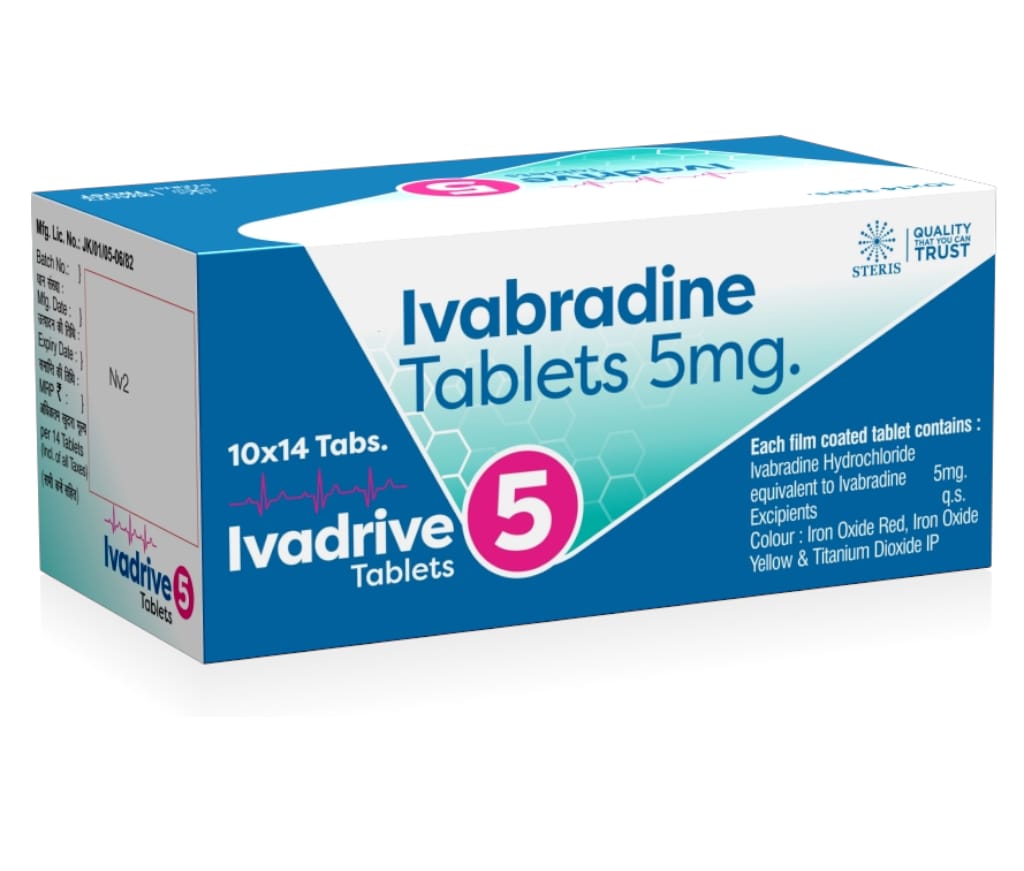
Ivabradine 5 mg is a prescription cardiovascular medicine used to reduce heart rate in selected patients with specific heart conditions. It works by selectively inhibiting the funny current (If) in the heart's natural pacemaker, the sinoatrial node. This action slows the heart rate and can reduce the heart's oxygen demand without directly decreasing the force of heart muscle contraction. Doctors may prescribe Ivabradine 5 mg for certain patients with chronic heart failure or chronic stable angina, depending on the approved indication, heart rate, heart rhythm, and individual medical condition. In appropriate patients, treatment may help improve symptoms and exercise tolerance. Ivabradine is not suitable for every patient with chest pain or heart disease, and it does not replace emergency treatment for a suspected heart attack. The appropriate dosage depends on the patient's heart rate, diagnosis, response to treatment, and other medications. Medical monitoring is important because ivabradine can cause a slow heartbeat, atrial fibrillation, or temporary visual effects such as increased brightness.
How to use
Follow your prescribed dose: Take only the dose recommended by your cardiologist. Ivabradine 5 mg may be prescribed at different frequencies depending on the diagnosis and individual treatment plan. Take it with food if directed: Ivabradine is commonly taken twice daily with meals for approved indications that use a twice-daily schedule. Follow your prescription and the instructions provided with your specific product. Maintain a consistent schedule: Take your doses at the recommended times each day. Do not increase your dose to achieve a lower heart rate without medical advice. Monitor your heart rate: Your doctor may check your pulse, blood pressure, and heart rhythm before and during treatment. Attend scheduled appointments and report unusually slow or irregular heartbeats. Handle missed doses carefully: Follow the patient leaflet or ask your pharmacist what to do after a missed dose. Do not take an extra dose to compensate. Check for medicine interactions: Tell your doctor about all prescription medicines, over-the-counter products, and supplements. Some medicines, including certain antibiotics, antifungals, and heart medicines, can interact with ivabradine. Avoid grapefruit products if advised: Grapefruit can affect the way certain medicines are processed. Ask your doctor or pharmacist whether you should avoid grapefruit while taking ivabradine. Recognize side effects: Temporary visual brightness, dizziness, fatigue, and a slow heartbeat may occur. Contact your doctor if these symptoms persist or worsen.