
Medicine information
Uses & overview
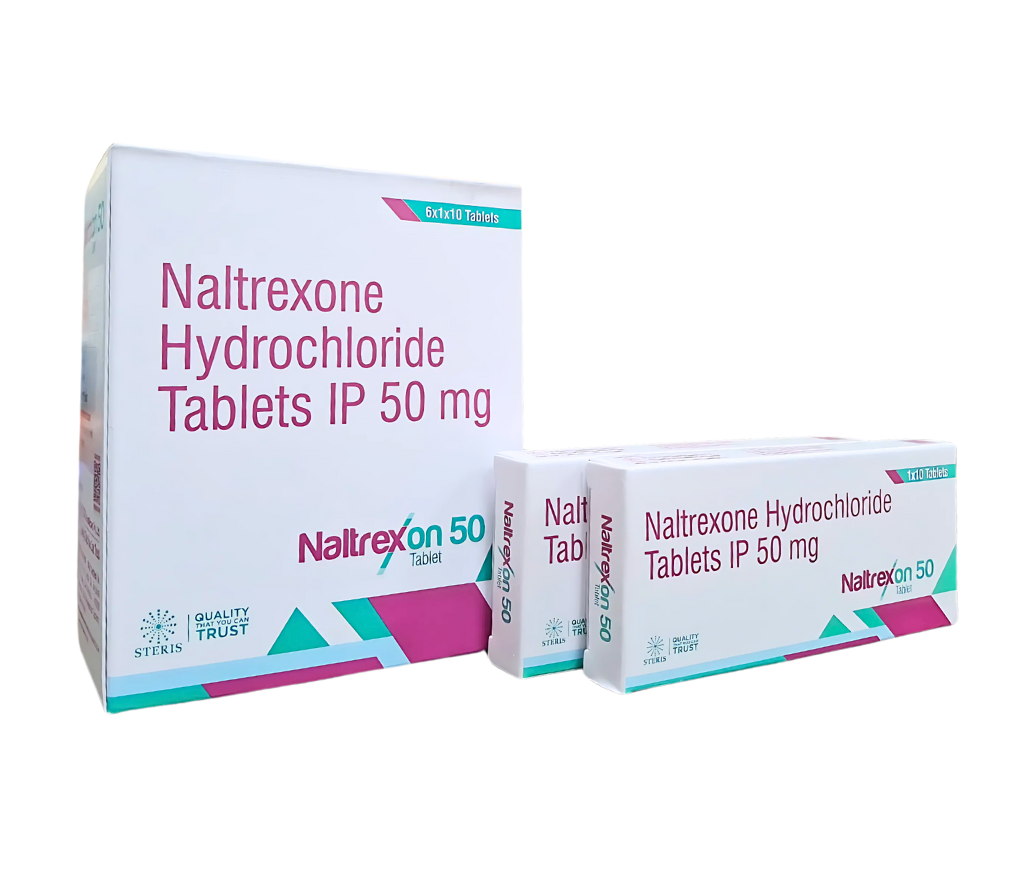
Naltrexone Hydrochloride is a medicine used to support the treatment of alcohol use disorder and opioid use disorder as part of a structured recovery program. It belongs to a group of medicines known as opioid antagonists and works by blocking opioid receptors in the brain. This action reduces the effects of opioid medicines and may help reduce the rewarding effects of alcohol or the likelihood of heavy drinking in some people. For alcohol use disorder, Naltrexone may help reduce cravings or heavy-drinking episodes when combined with counseling and other appropriate support. For opioid use disorder, it can help prevent opioids from producing their usual effects. However, it does not treat acute opioid withdrawal, and starting treatment while opioids remain in the body can trigger sudden, severe withdrawal symptoms.
How to use
Follow your prescription: Take the exact dose and frequency recommended by your doctor. Do not change the dosage or stop treatment without medical advice. Confirm opioid-free status: Before starting Naltrexone, tell your doctor about all recent opioid use, including prescription painkillers, cough medicines, and illicit opioids. An appropriate opioid-free interval is essential to avoid precipitated withdrawal. Complete the required assessment: Your healthcare professional may review your medical history, perform a physical examination, and order urine or blood tests before treatment. Take tablets as directed: If prescribed oral tablets, swallow them according to the product instructions, with or without food as advised by your doctor. Manage missed doses carefully: Follow your patient information leaflet or ask your pharmacist for guidance. Do not double the next dose. Attend follow-up appointments: Your doctor may monitor treatment progress, alcohol or opioid use, mental health, and liver function when appropriate. Tell healthcare professionals about treatment: Naltrexone blocks opioid medicines and may complicate pain management during surgery or emergencies. Inform your doctor, dentist, and emergency care team that you take it. Avoid attempting to overcome the blockade: Taking large amounts of opioids to overcome Naltrexone's effects can cause life-threatening overdose. Understand overdose risks: Opioid tolerance may decrease during treatment. The risk of overdose increases if opioids are used after stopping Naltrexone or when its effects wear off.
Storage
Store in cool and dry place