
Medicine information
Uses & overview
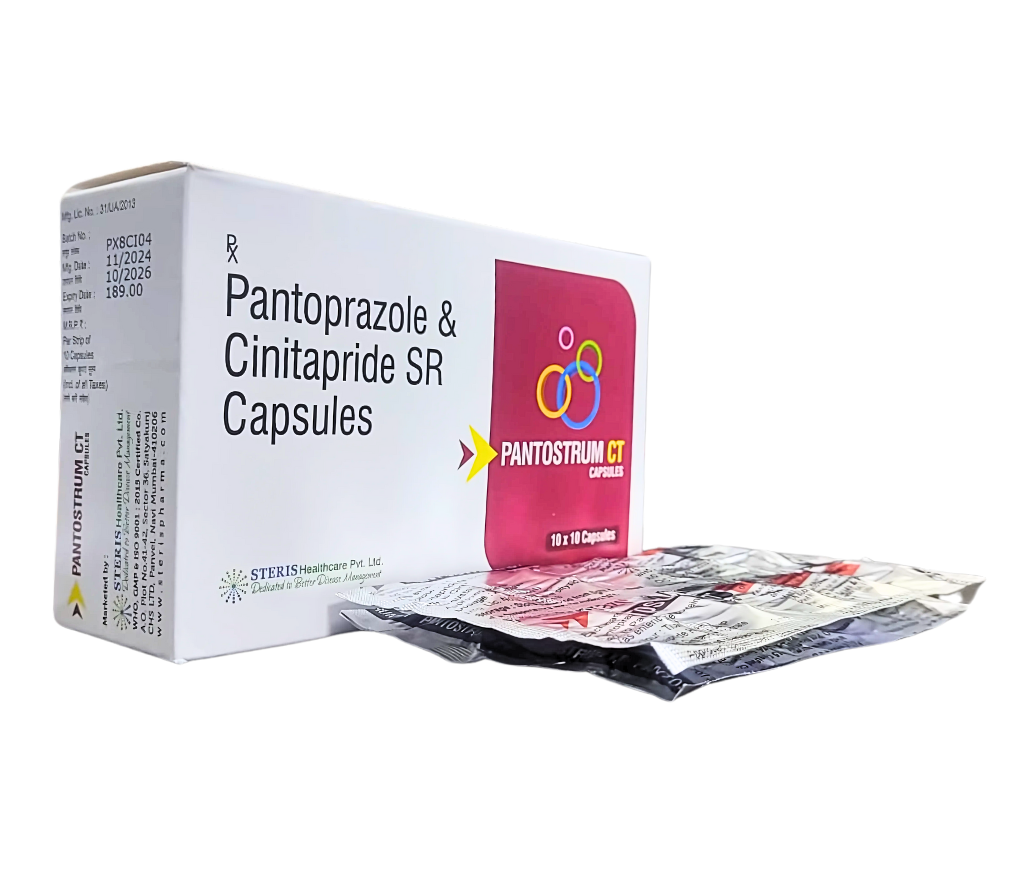
Cinitapride SR 3 mg + Pantoprazole 40 mg is a prescription medicine that combines a gastrointestinal motility agent with an acid-reducing medicine. It may be prescribed for gastroesophageal reflux disease (GERD), acid reflux, and functional indigestion, depending on the patient's symptoms and the doctor's assessment. Cinitapride sustained release (SR) 3 mg helps regulate the movement of food through the stomach and digestive tract. Pantoprazole 40 mg belongs to a group of medicines called proton pump inhibitors (PPIs), which reduce the amount of acid produced in the stomach. Together, these ingredients may help manage heartburn, acid regurgitation, upper abdominal discomfort, and a feeling of fullness associated with certain digestive conditions. Patients searching for Cinitapride SR 3 mg Pantoprazole 40 mg uses, acid reflux medicine, or GERD treatment in India should consult a qualified healthcare professional to confirm whether this combination is appropriate for their condition. If you plan to buy Cinitapride SR 3 mg + Pantoprazole 40 mg online, purchase from a reputable, licensed pharmacy and check the manufacturer's details, composition, packaging, and expiry date. This medicine may cause side effects such as headache, diarrhoea, nausea, or dizziness. Inform your doctor about existing medical conditions and other medicines you take before starting treatment. For safe and appropriate use, follow the prescribed dose and treatment duration. Do not self-medicate or continue treatment longer than recommended.
How to use
Follow the prescribed dosage: Take the medicine in the dose and frequency recommended by your healthcare professional. Do not increase the dose or extend treatment without medical advice. Take it before meals: This combination is commonly prescribed before a meal, often before breakfast. Follow your prescription for the exact timing, as the instructions may vary by product. Swallow it correctly: Swallow the capsule or tablet with water as directed. Do not crush, chew, or break sustained-release or enteric-coated components, as this may affect how the medicine is released. Maintain a consistent schedule: Take the medicine at the recommended time each day to support consistent treatment. Do not double a missed dose: If you forget a dose, follow the package leaflet or ask your pharmacist for advice. Do not take an extra dose to compensate. Discuss other medicines with your doctor: Tell your healthcare professional about all prescription medicines, over-the-counter products, and supplements you use to check for possible interactions. Watch for side effects: Headache, nausea, diarrhoea, or dizziness may occur. Seek medical advice if symptoms persist or worsen. Obtain urgent medical help for severe allergic reactions or other serious symptoms. Support treatment with lifestyle changes: Eat smaller meals, identify foods that trigger reflux, and avoid lying down for two to three hours after eating.