
Medicine information
Uses & overview
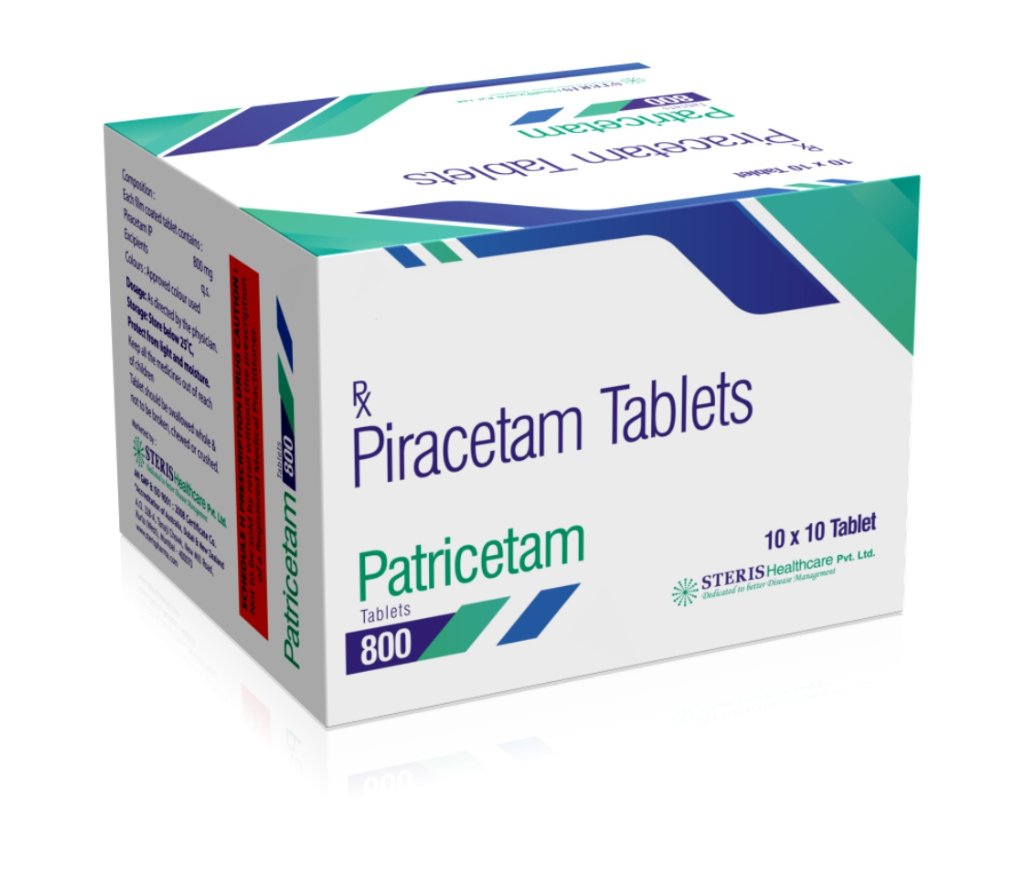
What is Piracetam 800 mg Tablet used for? Piracetam 800 mg tablet is a neurological medicine from the racetam group. Its approved uses differ between countries, and it may be prescribed for specific neurological conditions, including cortical myoclonus, where involuntary muscle jerks occur. The medicine acts on the central nervous system, but its full mechanism of action is not completely understood. Piracetam is sometimes marketed online for memory, concentration, or cognitive performance. However, evidence does not establish that it reliably improves cognition in healthy people, and it should not be used for these purposes without appropriate medical guidance. A healthcare professional should determine whether piracetam is suitable for the diagnosed condition and whether it is authorised for that use in the relevant location. Benefits and important precautions When prescribed for an appropriate condition, piracetam may form part of a clinician-supervised treatment plan. The dose and duration depend on the diagnosis, kidney function, age, and response to treatment. Patients should not increase or discontinue the dose independently, particularly when it is used for a neurological disorder. Possible adverse effects include nervousness, agitation, sleep disturbances, headache, gastrointestinal discomfort, and weight changes. Piracetam can affect platelet function and may increase bleeding risk in some circumstances. Inform your doctor if you have a bleeding disorder, a history of haemorrhagic stroke, planned surgery, or take anticoagulants or antiplatelet medicines. Piracetam is primarily eliminated through the kidneys, so kidney function is important when deciding on the dose. People with severe kidney impairment may not be suitable candidates.
How to use
Follow your prescription: Take Piracetam 800 mg tablets only as directed by your healthcare professional. The appropriate dose depends on the condition being treated and your individual medical circumstances. Check the prescribed schedule: Your doctor may divide the daily dose into multiple administrations. Follow your prescription rather than deciding the frequency yourself. Swallow as directed: Take the tablet with water according to the product instructions. Ask your pharmacist before crushing or splitting it. Follow food guidance: Check the patient leaflet or ask your pharmacist whether the tablet should be taken with food or on an empty stomach. Do not adjust the dose independently: Taking extra tablets will not necessarily improve symptoms and may increase the risk of adverse effects. Manage missed doses carefully: Follow the product leaflet or seek advice from your pharmacist. Do not take a double dose to compensate for a missed dose. Discuss other medicines: Tell your doctor about anticoagulants, antiplatelet medicines, and all prescription or non-prescription products you use. Monitor your response: Attend follow-up appointments and report persistent side effects, worsening symptoms, or unusual bleeding or bruising. Do not stop suddenly without advice: If piracetam is prescribed for a neurological condition, consult your doctor before discontinuing it because abrupt withdrawal may worsen symptoms in some patients. Store safely: Keep the tablets in their original packaging and follow the label's storage instructions. Keep the medicine out of children's reach.