
Medicine information
Uses & overview
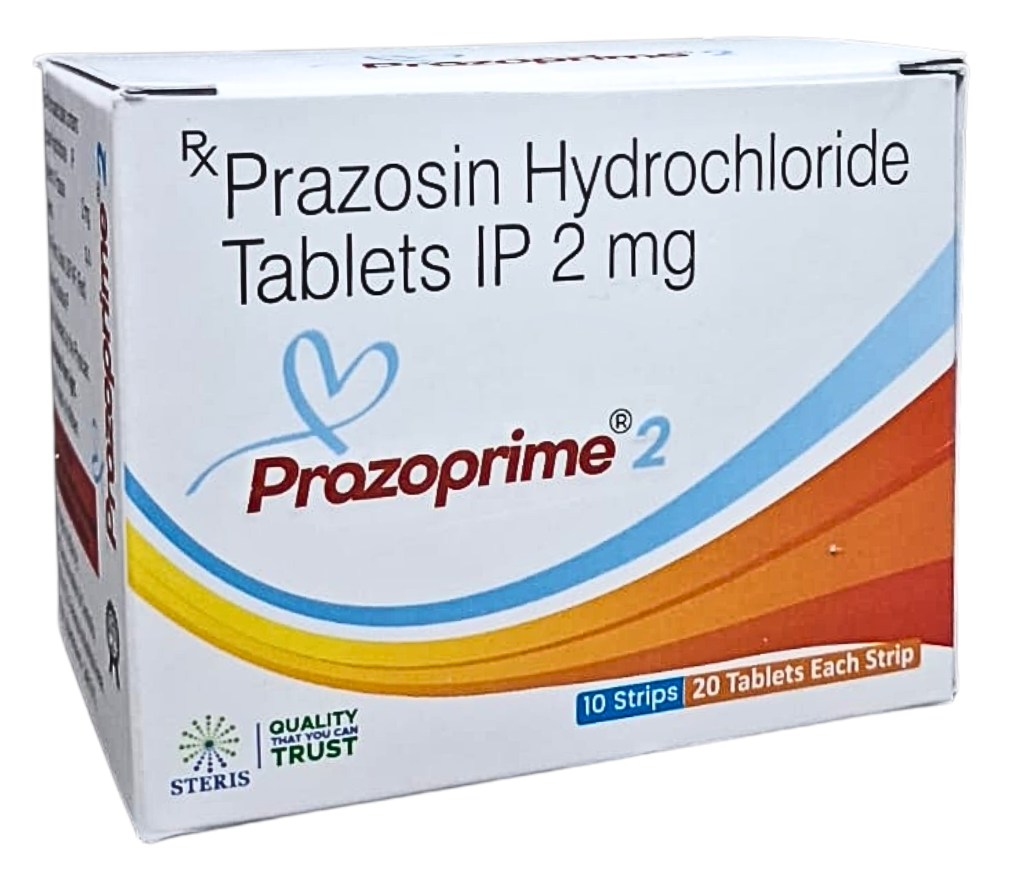
Prazosin Hydrochloride 1 mg is a prescription medicine used primarily to treat high blood pressure (hypertension). It belongs to the alpha-1 adrenergic blocker class of medicines. Prazosin works by blocking alpha-1 receptors in blood vessels, helping them relax and widen. This action allows blood to circulate more easily and helps lower blood pressure. Doctors may prescribe Prazosin Hydrochloride 1 mg alone or alongside other antihypertensive medicines, depending on a patient's blood pressure readings, medical history, and response to treatment. Controlling hypertension is important for reducing the long-term risk of cardiovascular complications, including stroke and heart disease. Prazosin may also be prescribed for certain other conditions under specialist supervision. The 1 mg strength may be used when initiating treatment or adjusting the dosage under medical supervision. Prazosin can cause postural hypotension, which means blood pressure may fall when standing up, leading to dizziness, weakness, or fainting. This effect can be particularly noticeable after the first dose or a dose increase.
How to use
Follow your prescribed dosage: Take only the amount recommended by your healthcare professional. Do not increase, reduce, or discontinue the dose without medical advice. Take the first dose carefully: Prazosin can cause a sudden drop in blood pressure, particularly after the first dose. Your doctor may recommend taking the initial dose at bedtime to reduce the risk of dizziness or fainting. Maintain a consistent schedule: Take the medicine at the times specified in your prescription. If your doctor prescribes multiple daily doses, follow the recommended timing. Swallow the tablet with water: Follow the instructions provided with your medicine. Ask your pharmacist if you have difficulty swallowing tablets. Stand up slowly: Move gradually from lying down to sitting and standing. If you feel dizzy or faint, sit or lie down until you feel better. Handle missed doses carefully: Follow the package leaflet or contact your pharmacist for advice. Never take a double dose to make up for a missed tablet. Monitor your blood pressure: Check your readings as recommended by your doctor, especially after starting treatment or changing the dose. Check for medicine interactions: Tell your doctor about all prescription medicines, over-the-counter products, and supplements. Other blood pressure medicines and erectile dysfunction medicines, such as sildenafil or tadalafil, may increase the risk of low blood pressure. Attend follow-up appointments: Your doctor may adjust your dose according to your blood pressure readings, symptoms, and response to treatment. Recognize warning signs: Seek medical advice for repeated fainting, severe dizziness, or a rapid heartbeat accompanied by weakness.