
Medicine information
Uses & overview
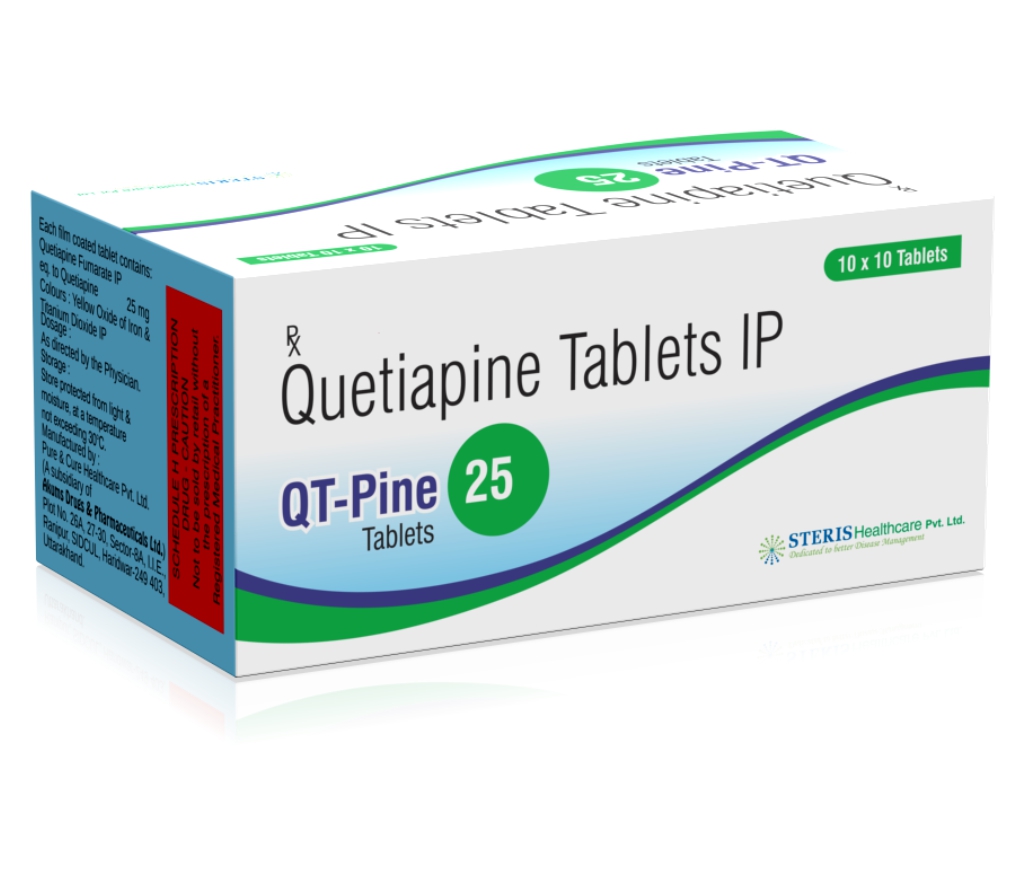
Quetiapine 25 mg is a prescription medicine classified as an atypical antipsychotic. It acts on specific receptors for chemical messengers in the brain, particularly dopamine and serotonin, to help manage symptoms associated with certain psychiatric conditions. Depending on the diagnosis and approved product information, quetiapine may be prescribed for schizophrenia, bipolar disorder, and certain depressive episodes within a clinician-directed treatment plan. The 25 mg strength may be prescribed when starting treatment or gradually adjusting the dose. The appropriate dosage depends on the condition being treated, the patient’s age, other medicines, medical history, and response to treatment. Quetiapine is available in different formulations, including immediate-release and extended-release tablets, and these should not be substituted for one another without medical advice. Common side effects may include sleepiness, dizziness, dry mouth, constipation, and changes in appetite or weight. Quetiapine may also affect blood sugar, cholesterol, and blood pressure, so a doctor may recommend regular monitoring. In some cases, it can cause significant drowsiness or faintness when standing. Inform your healthcare professional about diabetes, heart problems, liver disease, and all other medicines you take. Do not stop treatment suddenly without discussing it with your doctor.
How to use
Follow your prescription: Take Quetiapine 25 mg exactly as directed by your doctor. The dose and frequency depend on your diagnosis and individual treatment plan. Check the formulation: Confirm whether you have an immediate-release or extended-release tablet. These formulations have different administration instructions and should not be interchanged without professional advice. Take it at the prescribed time: Follow your doctor’s schedule and the instructions on the medicine label regarding food. Extended-release tablets have specific food-related directions. Swallow the tablet correctly: Take the medicine with water. Do not crush, chew, or split an extended-release tablet unless the product information specifically permits it. Handle missed doses carefully: Follow the patient leaflet or contact your pharmacist if you miss a dose. Do not double the next dose. If you have missed several days, consult your doctor before restarting. Avoid alcohol: Alcohol may increase sleepiness, dizziness, and impaired coordination while taking quetiapine. Discuss other medicines: Inform your doctor about all prescription medicines, supplements, and over-the-counter products, particularly sedatives or medicines that may affect heart rhythm. Attend follow-up appointments: Your doctor may monitor weight, blood pressure, blood sugar, cholesterol, and symptom improvement during treatment. Use caution with daily activities: Avoid driving or operating machinery if you feel sleepy, dizzy, or less alert. Do not stop suddenly: Consult your doctor before discontinuing quetiapine, as sudden withdrawal may cause symptoms such as nausea, sleep disturbance, or a return of the treated condition.