
Medicine information
Uses & overview
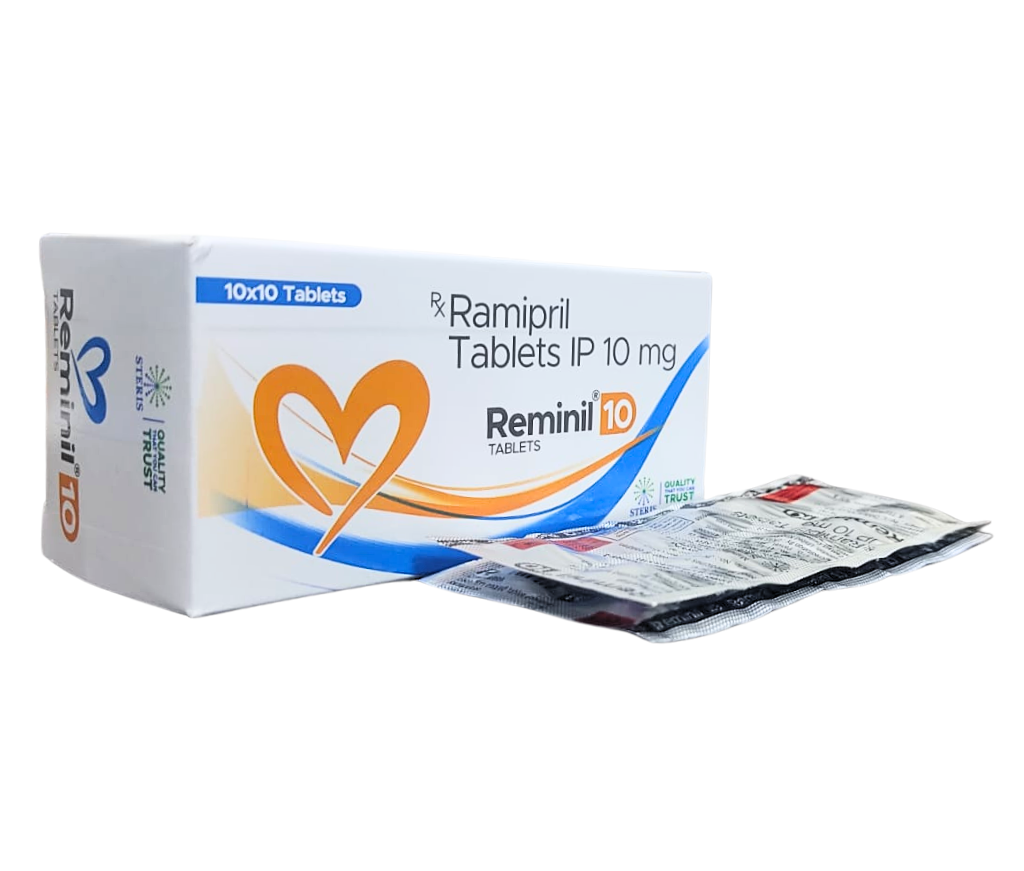
Ramipril is a prescription medicine used to manage high blood pressure (hypertension) and certain cardiovascular conditions. It belongs to a class of medicines known as angiotensin-converting enzyme (ACE) inhibitors. Ramipril works by reducing the production of angiotensin II, a substance that narrows blood vessels. This helps relax blood vessels, lower blood pressure, and make it easier for the heart to pump blood. Doctors may prescribe Ramipril to reduce the risk of heart attack, stroke, and other cardiovascular complications in selected patients. It may also be used in the management of heart failure and in certain patients following a heart attack. The appropriate dosage depends on the patient's condition, kidney function, blood pressure, and response to treatment.
How to use
Follow the prescribed dosage: Take Ramipril in the strength and amount recommended by your healthcare professional. The dose depends on your condition, blood pressure, kidney function, and response to treatment. Take it consistently: Ramipril is commonly taken once or twice daily, depending on the prescription. Take it at the recommended times each day to maintain consistent treatment. Take with or without food: Ramipril can generally be taken with or without food. Swallow the capsule or tablet as directed by the product instructions. Monitor your blood pressure: Check your blood pressure as recommended by your doctor. Regular monitoring helps assess how well the medicine is working. Attend recommended blood tests: Your doctor may check kidney function and potassium levels before and during treatment, particularly after starting Ramipril or changing the dose. Manage missed doses carefully: If you miss a dose, follow the instructions provided with your medicine or ask your pharmacist for advice. Do not take an extra dose to compensate. Prevent dehydration: Vomiting, diarrhea, heavy sweating, or inadequate fluid intake may increase the risk of low blood pressure and kidney problems. Seek medical advice if you become dehydrated. Check other medications: Inform your doctor about all medicines and supplements you use. Potassium supplements, potassium-containing salt substitutes, certain painkillers, and other blood pressure medicines may increase the risk of complications.
Storage
Store in cool and dry place