
Medicine information
Uses & overview
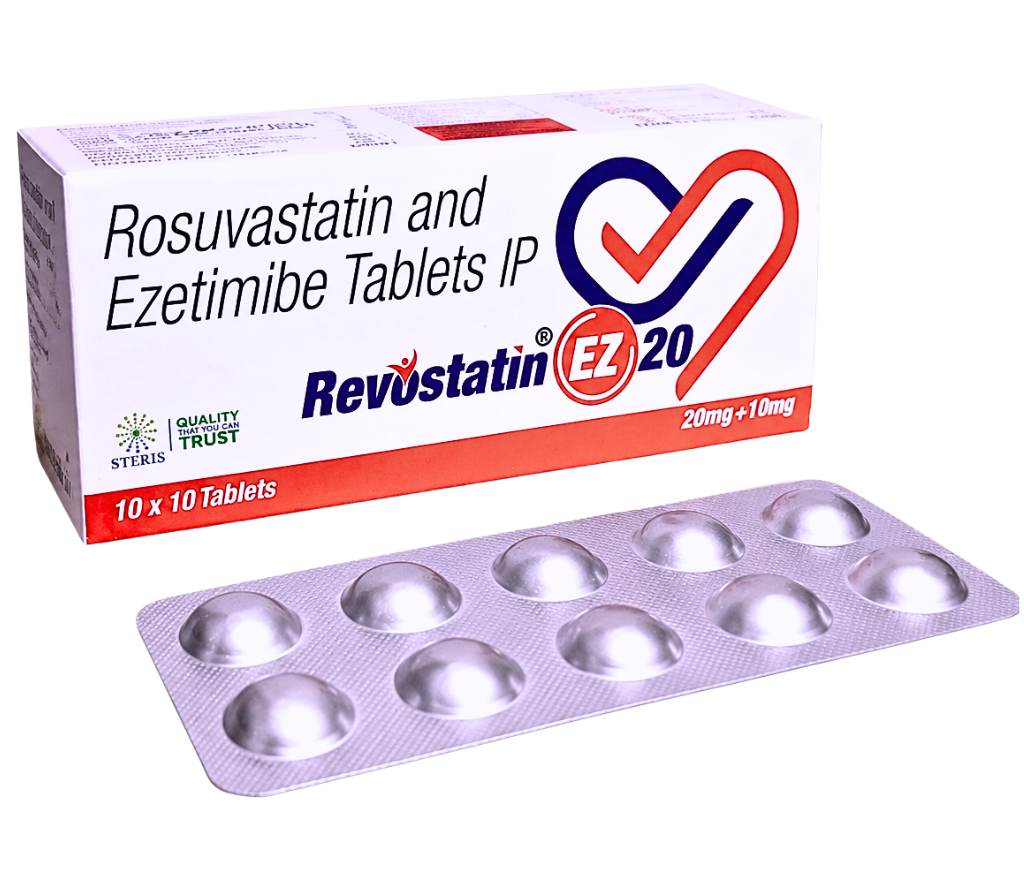
Rosuvastatin 20 mg and Ezetimibe 10 mg is a prescription medicine combination used to manage high cholesterol levels in patients who require additional LDL cholesterol reduction. It contains two active ingredients that work through different mechanisms to improve cholesterol control and support cardiovascular health. Rosuvastatin is a statin that reduces cholesterol production in the liver by inhibiting the HMG-CoA reductase enzyme. Ezetimibe works by reducing cholesterol absorption in the small intestine. Together, these medicines help lower LDL (bad) cholesterol and may also reduce triglyceride levels in some patients. The combination may be prescribed to people with high cholesterol, including certain patients who need additional treatment alongside dietary changes and physical activity.
How to use
1. Follow your doctor's prescription: Take this medicine in the prescribed strength and dosage. Your doctor will determine whether the combination is suitable based on your cholesterol levels, cardiovascular risk, and medical history. 2. Take it regularly: This combination is commonly taken once daily. Choose a consistent time and follow the schedule recommended by your healthcare professional. 3. Swallow with water: Swallow the tablet with water. Follow the product leaflet, and do not crush or split the tablet unless your pharmacist confirms that doing so is appropriate. 4. Take with or without food: Rosuvastatin and ezetimibe can generally be taken with or without food. Follow the instructions for your specific product. 5. Manage missed doses carefully: If you forget a dose, follow the package leaflet or ask your pharmacist for advice. Do not take a double dose to compensate for a missed tablet. 6. Follow cholesterol-lowering lifestyle measures: Continue a balanced diet, regular physical activity, and other lifestyle changes recommended by your doctor. Medicine works best as part of a comprehensive cholesterol-management plan. 7. Check for medicine interactions: Tell your doctor about all prescription medicines, supplements, and herbal products. Certain medicines, including some antacids and other cholesterol-lowering treatments, may require specific timing or additional precautions. 8. Recognize possible side effects: Muscle pain, weakness, or digestive discomfort may occur. Seek prompt medical advice for unexplained muscle pain, severe weakness, dark urine, or yellowing of the skin or eyes. 9. Attend regular check-ups: Your doctor may monitor cholesterol levels, liver function, and muscle-related symptoms to assess treatment effectiveness and safety. 10. Continue treatment as directed: High cholesterol often causes no symptoms. Do not stop taking the medicine simply because you feel well; consult your doctor before making changes.