
Medicine information
Uses & overview
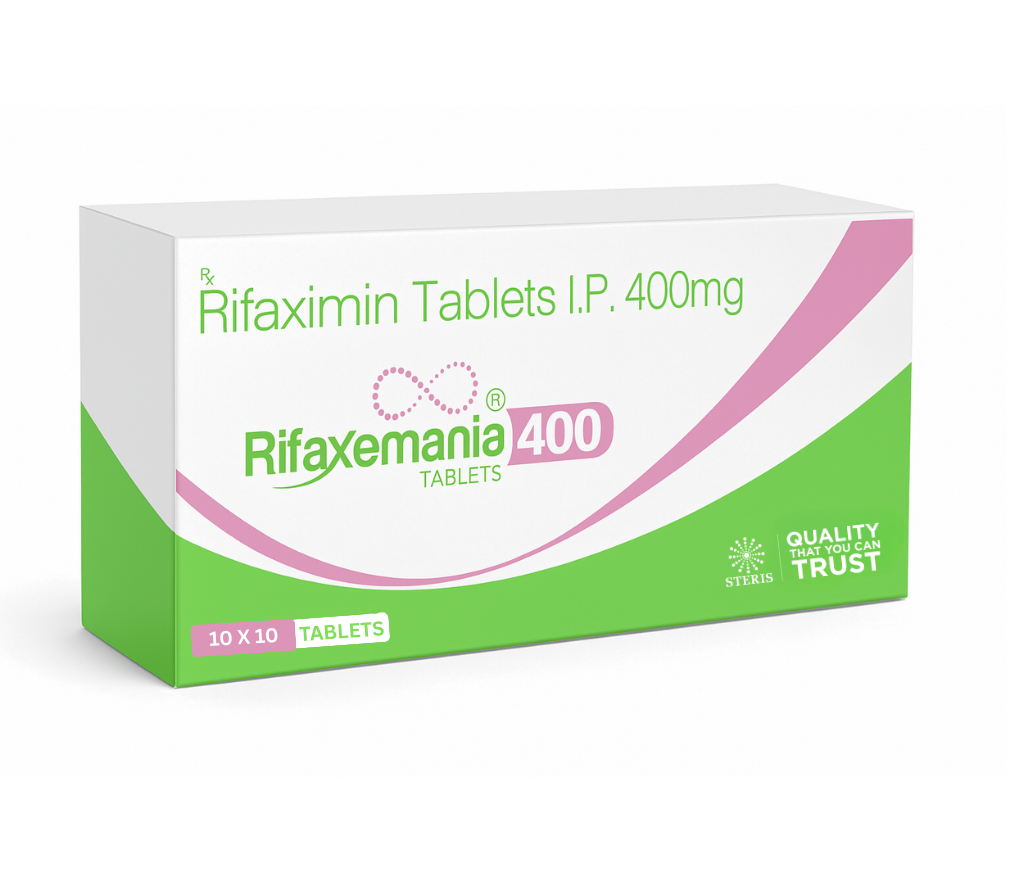
Rifaximin 400 mg is a gut-targeted antibiotic belonging to the rifamycin group. It works by inhibiting bacterial RNA synthesis, helping control susceptible bacteria in the gastrointestinal tract. Because relatively little of the medicine is absorbed into the bloodstream, much of its activity occurs inside the intestines. Depending on the prescribed indication and local product approval, Rifaximin 400 mg may be used for selected bacterial intestinal infections and other gastrointestinal conditions. Rifaximin is also used in specific treatment regimens to reduce the recurrence of hepatic encephalopathy, a complication of advanced liver disease that can affect brain function. The appropriate strength and dosing schedule depend on the condition being treated; do not assume that every indication uses the 400 mg strength. Possible side effects include nausea, abdominal discomfort, headache, dizziness and changes in bowel habits. Unnecessary antibiotic use can contribute to antimicrobial resistance, so rifaximin should only be taken when prescribed for an appropriate medical reason. If you are searching for Rifaximin 400 mg tablets online in India, check the product's approved indications, manufacturer details, expiry date and prescription requirements before purchasing from a reputable pharmacy. Consult a qualified healthcare professional to confirm whether this medicine is appropriate for you. Seek prompt medical care for severe abdominal pain, dehydration, persistent diarrhoea, fever or blood in the stool.
How to use
Follow the prescribed dose: Take the exact amount and frequency recommended by your healthcare professional. Do not use a dosing schedule intended for another condition or another rifaximin strength. Check meal instructions: Rifaximin tablets can generally be taken with or without food, but follow the instructions provided with your product. Swallow the tablet correctly: Take the tablet with water. Do not crush, chew or split it unless your pharmacist confirms that this is suitable for the specific formulation. Complete the prescribed course: Continue treatment for the duration advised by your doctor. Do not stop early, extend treatment or repeat a course without medical advice. Handle missed doses carefully: Follow the patient leaflet or ask your pharmacist what to do. Do not take a double dose to make up for a missed tablet. Maintain hydration: If you have diarrhoea, replace lost fluids with water or oral rehydration solution when appropriate. Seek advice if you cannot keep fluids down or show signs of dehydration. Tell your doctor about other medicines: Mention all prescription medicines, supplements and allergies, particularly medicines that may interact with rifaximin. Monitor your symptoms: Seek medical advice if symptoms worsen or fail to improve. Diarrhoea accompanied by fever or blood in the stool needs medical assessment and may require a different treatment. Store safely: Keep tablets in their original packaging, following the manufacturer's storage instructions, and keep them out of children's reach.