
Medicine information
Uses & overview
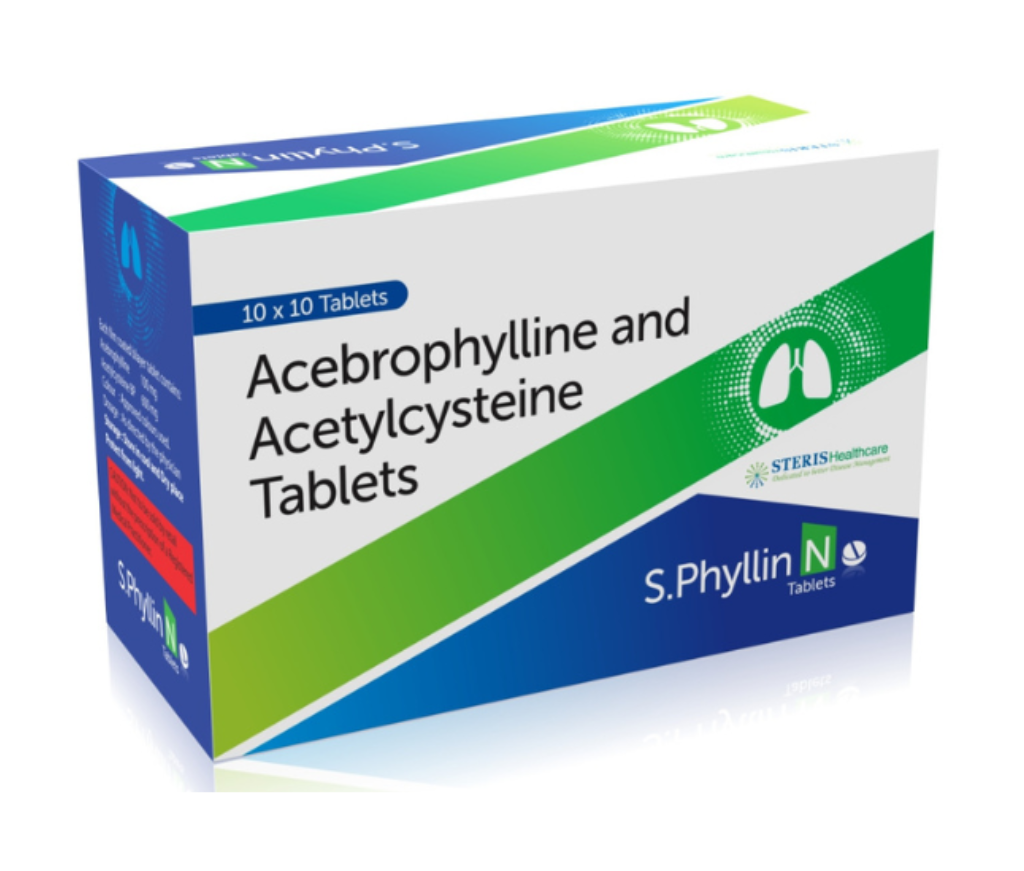
What is Acebrophylline 100 mg + Acetylcysteine 600 mg used for? Acebrophylline 100 mg and Acetylcysteine 600 mg combine two active ingredients that work differently to support respiratory symptom management. Acebrophylline is a respiratory medicine with bronchodilatory and mucus-regulating properties. Acetylcysteine is a mucolytic agent that helps break down thick, sticky mucus, making it easier to clear from the respiratory tract. Depending on the exact formulation and clinical assessment, a healthcare professional may prescribe this combination for selected respiratory conditions involving excessive mucus or difficulty clearing secretions. Benefits and how the combination works The two ingredients serve complementary purposes. Acebrophylline may help improve airflow in certain respiratory conditions, while acetylcysteine reduces mucus thickness. When prescribed appropriately, the combination may help with mucus clearance and respiratory symptoms. It does not replace emergency treatment for sudden, severe breathing difficulty, and it should not be used to self-treat an undiagnosed cough. Possible side effects may include nausea, stomach discomfort, vomiting, diarrhoea, headache, or other gastrointestinal symptoms. The actual effects depend on the product and the individual. Tell your doctor if you have asthma, a history of stomach ulcers, kidney or liver disease, or a history of medicine allergies. Seek urgent medical attention if you develop severe breathing difficulty, facial or throat swelling, or another serious allergic reaction. Before starting treatment, inform your healthcare professional about all medicines and supplements you take. Do not combine this medicine with other cough or respiratory products without checking for overlapping ingredients or interactions. Use the exact strength and formulation prescribed by your doctor.
How to use
Follow your prescription: Take Acebrophylline 100 mg + Acetylcysteine 600 mg only as directed by your doctor. The dose and duration depend on your diagnosis, symptoms, medical history, and the specific product. Confirm the dosage form: Check whether your medicine is a tablet, capsule, or another formulation. Follow the product label and pharmacist's instructions for correct administration. Take it as instructed: If the product is an oral tablet or capsule, take it with water as directed. Do not crush, chew, dissolve, or open it unless the product instructions or pharmacist confirm that this is appropriate. Follow food guidance: Ask your pharmacist whether the medicine should be taken with food, especially if you experience stomach discomfort. Maintain the recommended schedule: Take each dose at the prescribed time. Do not take extra doses to relieve coughing or mucus more quickly. Handle missed doses safely: Follow the patient leaflet or ask your pharmacist what to do. Avoid doubling the next dose to compensate for a missed dose. Check other medicines: Tell your doctor about other respiratory medicines, cough suppressants, antibiotics, and supplements to help assess possible interactions. Stay adequately hydrated: Unless you have been advised to restrict fluids, drinking enough water may help support normal mucus clearance. Monitor your response: Contact your doctor if symptoms persist, worsen, or recur frequently. Seek urgent medical help for severe breathlessness, chest pain, or blue lips. Store correctly: Keep the medicine in its original packaging and follow the storage instructions printed on the label. Keep it away from children.