
Medicine information
Uses & overview
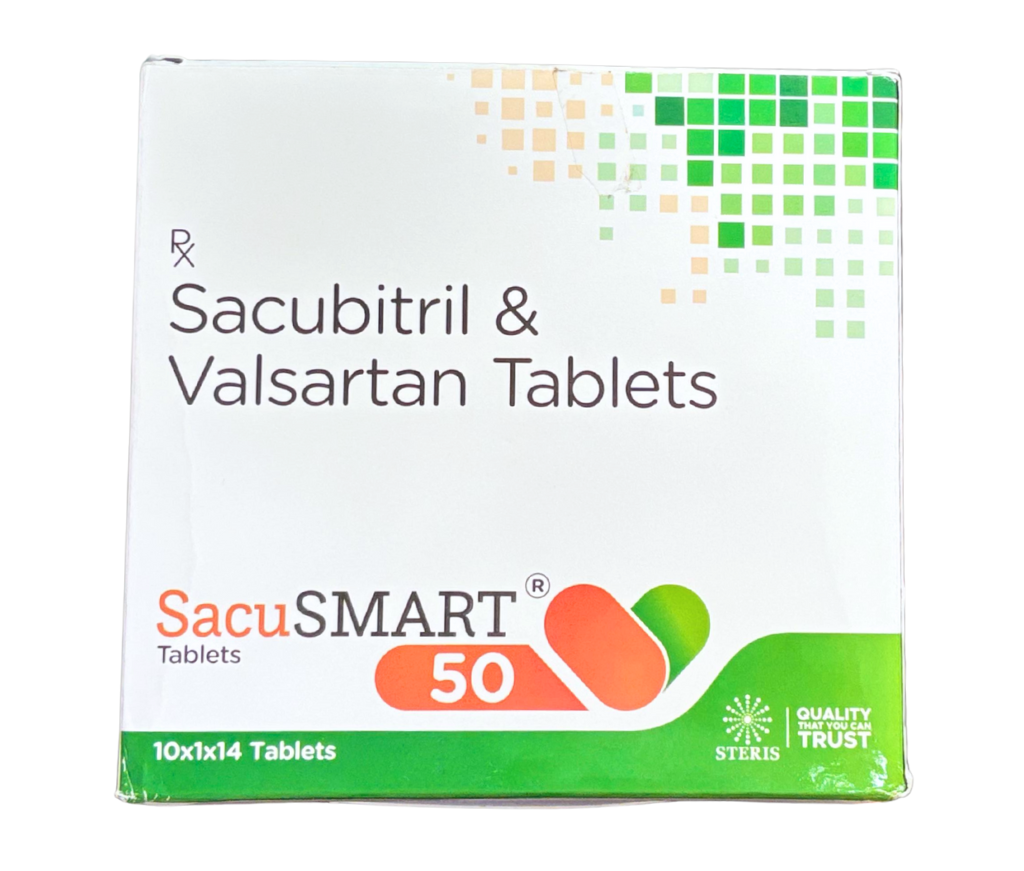
Sacubitril and valsartan tablets are prescription medications primarily used to manage chronic heart failure and reduce the risk of cardiovascular death and heart failure-related hospitalization in eligible patients. This combination medicine contains two active ingredients: sacubitril, which inhibits neprilysin, and valsartan, which blocks angiotensin II receptors. These complementary actions help the body regulate blood pressure, reduce fluid-related strain on the heart, and support more effective cardiovascular function. Healthcare professionals may prescribe sacubitril and valsartan tablets as part of a comprehensive heart failure treatment plan, alongside appropriate lifestyle measures and other prescribed medicines. The available strengths and recommended doses depend on the patient's medical history, blood pressure, kidney function, liver health, and previous treatment.
How to use
1. Take as prescribed: Use sacubitril and valsartan tablets exactly as directed by your doctor. The appropriate dose depends on your condition, age, previous medicines, and response to treatment. 2. Follow a consistent schedule: This medicine is commonly prescribed twice daily. Take each dose at the recommended times to maintain a consistent treatment routine. 3. Swallow with water: Swallow the tablet with water. Follow your product's instructions regarding administration, and do not alter the tablet unless your pharmacist or doctor confirms it is appropriate. 4. Take with or without food: Sacubitril and valsartan tablets can generally be taken with or without food. Choose a routine that helps you remember your doses. 5. Do not double a dose: If you miss a dose, follow the instructions provided by your healthcare professional or medicine leaflet. Do not take an extra dose to compensate without medical advice. 6. Avoid interacting medicines: Do not take this medicine with an ACE inhibitor. Allow at least 36 hours between stopping an ACE inhibitor and starting sacubitril and valsartan. Avoid taking another ARB or potassium supplements unless your doctor approves them. 7. Attend regular check-ups: Your doctor may monitor blood pressure, kidney function, and potassium levels and adjust the dose according to your response. 8. Report concerning symptoms: Seek urgent medical attention for facial, lip, tongue, or throat swelling, difficulty breathing, or fainting. Contact your healthcare professional if you experience persistent dizziness or unusual weakness. 9. Store correctly: Keep the tablets in their original packaging as directed, away from excessive heat and moisture, and out of children's reach.