
Medicine information
Uses & overview
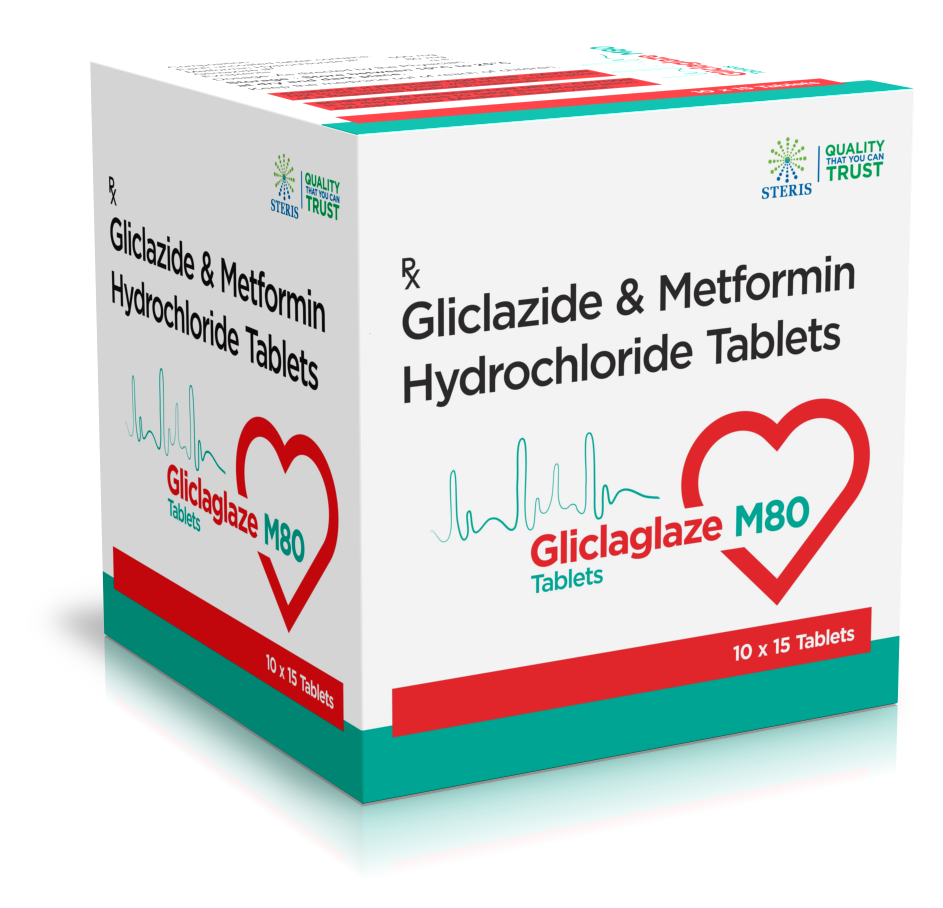
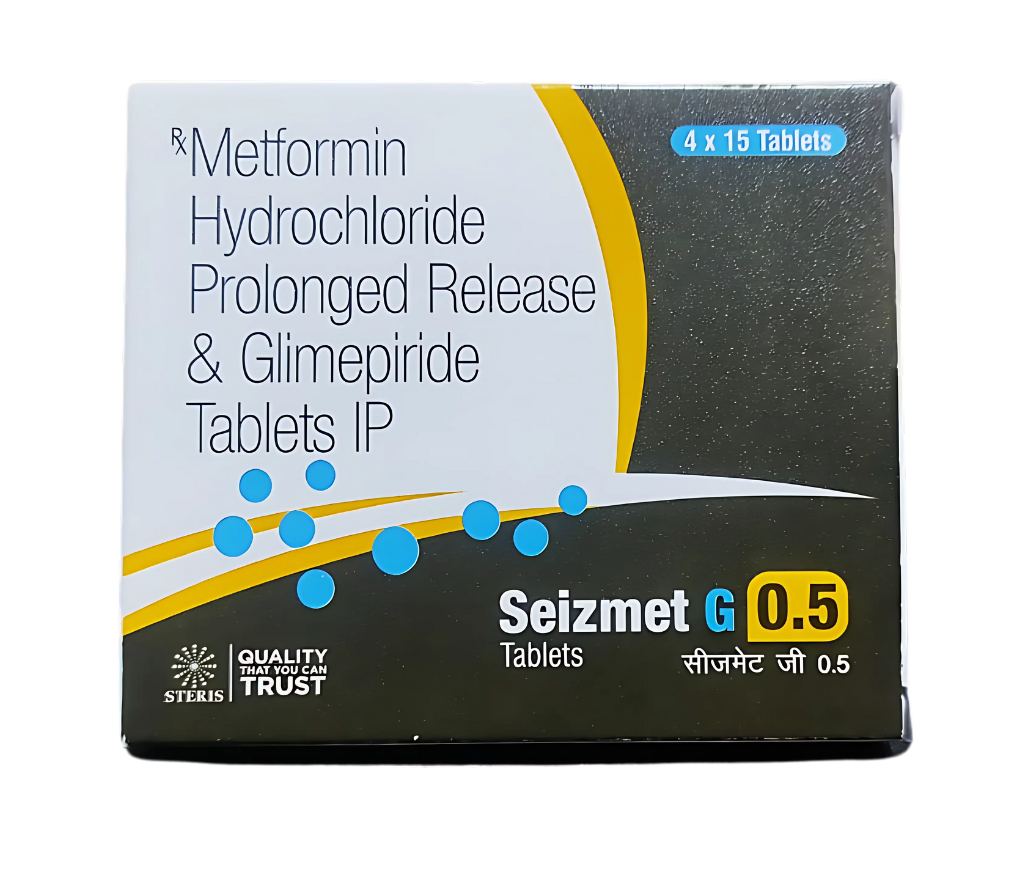
Glimepiride 0.5 mg + Metformin Sustained-Release (SR) 500 mg is a prescription combination medicine used to help manage blood sugar levels in adults with type 2 diabetes mellitus, along with a balanced diet and regular physical activity. Glimepiride helps the pancreas release insulin, while Metformin SR helps reduce glucose production in the liver and improves the body's response to insulin. If you are looking to buy Glimepiride 0.5 mg + Metformin SR 500 mg tablets in India, explore product availability, pricing, and packaging details from Steris Healthcare. Use this medicine only as prescribed by a qualified healthcare professional. Consult your doctor for dosage guidance, possible side effects, precautions, and suitability for your health condition.
How to use
Glimepiride 0.5 mg + Metformin Sustained-Release (SR) 500 mg is a prescription combination medicine used to help control blood sugar levels in adults with type 2 diabetes mellitus. For safe and effective use, follow your doctor's instructions and the medicine's package leaflet. Take as prescribed: Use this medicine in the dose and for the duration recommended by your doctor. Do not change the dosage or stop treatment without medical advice. Take with food: Glimepiride is generally taken with breakfast or the first main meal to reduce the risk of low blood sugar. Follow your doctor's specific instructions for your combination tablet. Swallow with water: Take the tablet with water. Do not crush or chew the sustained-release tablet unless the product leaflet specifically permits it. Maintain a regular schedule: Take your medicine at the recommended time each day to help maintain consistent blood sugar control. Do not skip meals: Skipping meals or delaying food after taking glimepiride can increase the risk of hypoglycaemia (low blood sugar). If you miss a dose: Follow the advice in your medicine leaflet or consult your pharmacist. Do not take an extra dose to compensate for a missed dose. Monitor blood sugar: Check your blood glucose as recommended by your healthcare professional and attend regular diabetes check-ups. Follow a healthy lifestyle: Combine treatment with a balanced diet, regular physical activity, and other diabetes-management measures advised by your doctor. Inform your doctor: Tell your healthcare professional about kidney or liver problems, other medicines, and any history of frequent low blood sugar. Recognise warning signs: Sweating, trembling, dizziness, or confusion may indicate low blood sugar. Follow your doctor's hypoglycaemia plan and seek medical assistance if symptoms are severe or do not improve.