
Medicine information
Uses & overview
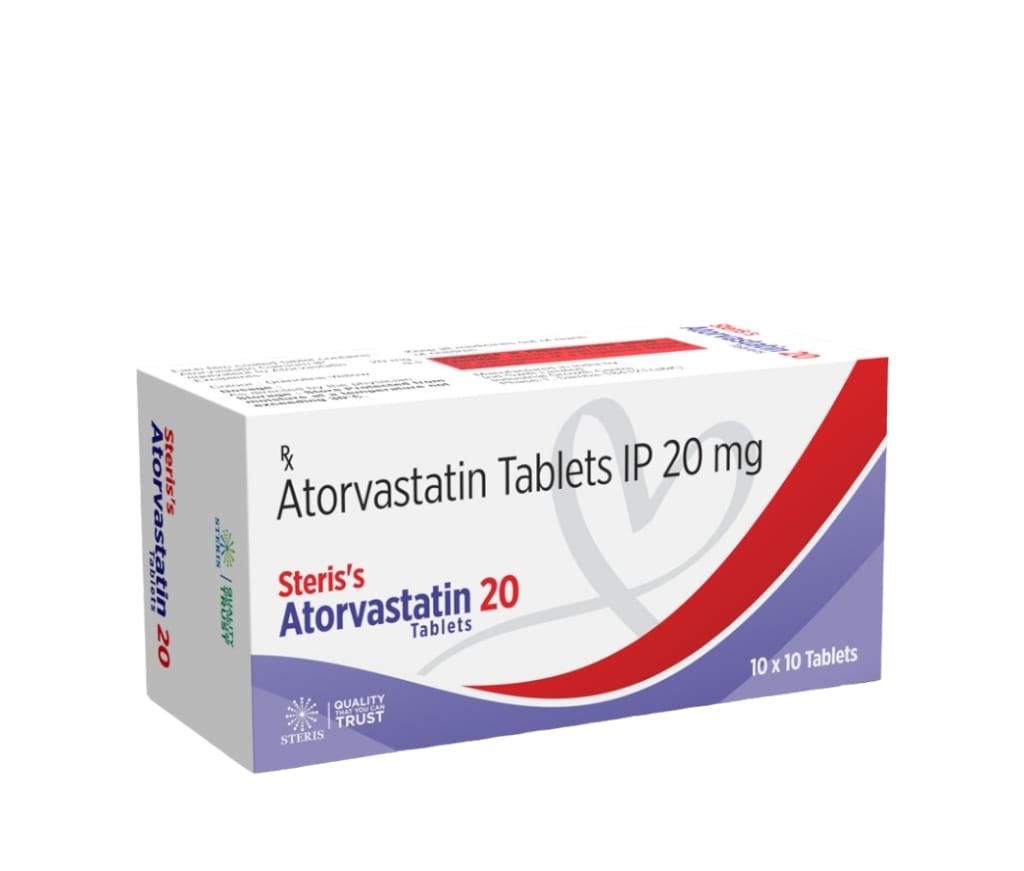
Atorvastatin IP 20 mg is a prescription medicine used to manage high cholesterol and reduce cardiovascular risk in appropriate patients. It belongs to a group of medicines known as statins or HMG-CoA reductase inhibitors. Atorvastatin works by reducing cholesterol production in the liver, helping lower LDL cholesterol and triglycerides and sometimes increasing HDL cholesterol. High LDL cholesterol can contribute to the buildup of fatty deposits in arteries, a condition known as atherosclerosis. By lowering cholesterol levels, atorvastatin can help reduce the risk of heart attack, ischaemic stroke, and other cardiovascular events in patients who may benefit from treatment. Doctors may prescribe it to people with high cholesterol, inherited lipid disorders, or an increased risk of cardiovascular disease. Atorvastatin IP 20 mg is generally taken orally, often once daily. The appropriate dose depends on cholesterol levels, cardiovascular risk, treatment response, other medicines, and individual medical history. Possible side effects include muscle aches, joint discomfort, digestive symptoms, and headache. Rarely, serious muscle injury or liver problems can occur.
How to use
Follow your prescription: Take the prescribed dose at the recommended time. Atorvastatin is commonly taken once daily, but follow your individual treatment instructions. Take it consistently: You can generally take atorvastatin at any time of day, with or without food. Taking it at the same time each day may help you remember your dose. Swallow with water: Take the tablet according to the product leaflet. Do not alter the tablet unless your pharmacist confirms that doing so is appropriate. If you miss a dose: Follow the instructions in your patient leaflet. Do not take an extra dose to compensate for a missed tablet. Monitor your cholesterol: Your doctor may arrange lipid-profile tests to check how well treatment is working and whether your dose needs adjustment. Attend recommended blood tests: Liver-function tests may be performed before treatment and when clinically indicated. Tell your doctor if you develop unexplained muscle pain, tenderness, or weakness. Maintain a healthy lifestyle: Follow dietary advice, exercise regularly as appropriate, avoid smoking, and manage other cardiovascular risk factors such as high blood pressure and diabetes. Check other medicines: Tell your doctor about all prescription medicines, over-the-counter products, and supplements. Certain antibiotics, antifungals, antiviral medicines, ciclosporin, and some other drugs can increase the risk of atorvastatin-related side effects. Avoid doubling doses: If you forget a tablet, do not take two doses together to make up for it. Seek medical advice for warning signs: Contact your doctor promptly for severe muscle pain or weakness, especially with fever or dark urine, or for signs of liver problems such as yellowing of the skin or eyes.