
Medicine information
Uses & overview
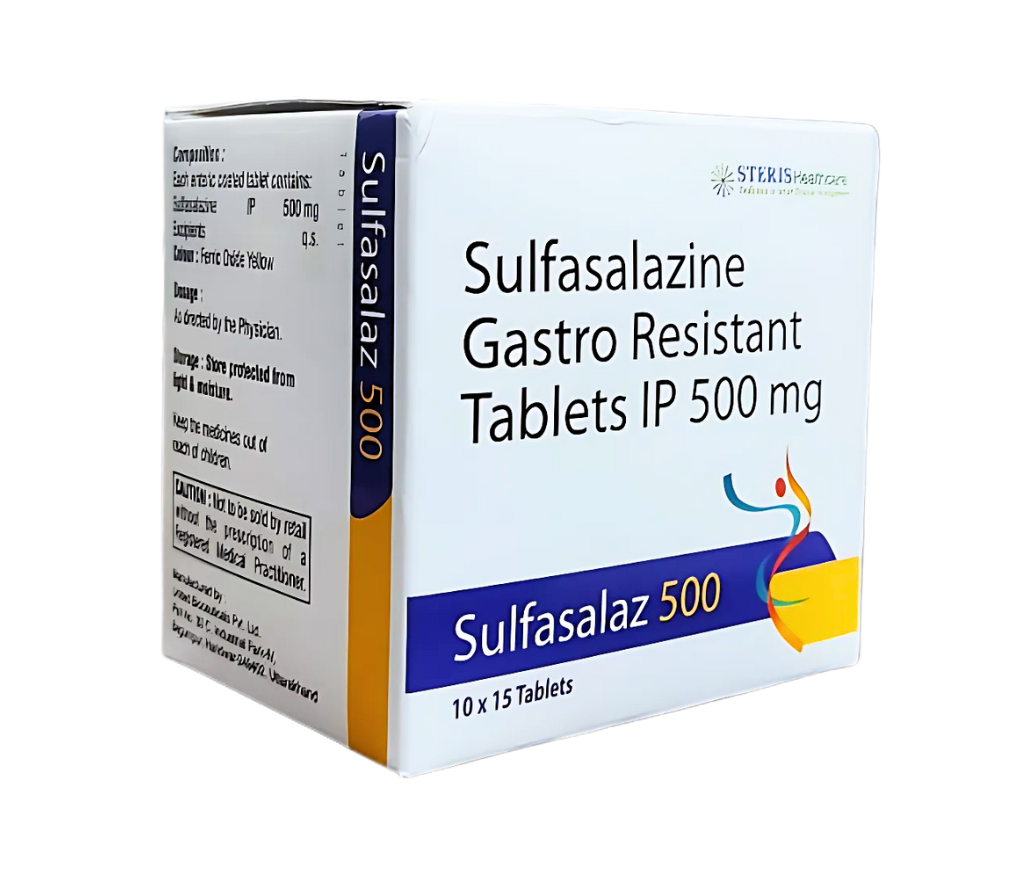
Sulfasalazine 500 mg is an anti-inflammatory prescription medicine used for the treatment of selected inflammatory disorders. It is commonly prescribed for ulcerative colitis, a condition involving inflammation of the large intestine, and certain forms of inflammatory arthritis, including rheumatoid arthritis. Its effects and treatment schedule vary according to the condition, disease severity, and individual response. For ulcerative colitis, sulfasalazine may help control inflammation in the bowel and reduce symptoms such as diarrhoea, abdominal discomfort, and rectal bleeding. For rheumatoid arthritis, it may help reduce joint inflammation, stiffness, and pain over time. Improvement may not be immediate, and regular use according to the prescribed schedule is important for achieving the intended treatment benefit. Before treatment, inform your doctor if you have kidney or liver disease, blood disorders, allergies to sulfasalazine or sulfonamide medicines, or a history of sensitivity to aspirin-like medicines. Your healthcare professional may recommend blood counts, liver function tests, and kidney function monitoring before and during treatment. Adequate fluid intake may also be advised, depending on your medical condition.
How to use
Take Sulfasalazine 500 mg exactly as prescribed by your doctor. The dose and frequency depend on the condition being treated and your response to therapy. Swallow the tablet with water and follow the instructions on the product label regarding whether it should be taken with food. Taking the medicine with meals may help reduce stomach discomfort, but follow your healthcare professional's specific instructions. Take each dose at the recommended time and try to maintain a consistent daily schedule. Do not crush, split, or chew the tablet unless your pharmacist confirms that your particular formulation can be handled that way. Drink adequate fluids unless your doctor has advised you to restrict fluid intake because of another medical condition. If you miss a dose, follow your prescription instructions or ask your pharmacist what to do. Do not take a double dose to make up for a missed dose. Inform your doctor about all medicines, vitamins, and supplements you take to help prevent interactions. Attend recommended blood tests and kidney and liver function checks during treatment, as advised by your healthcare professional. Contact your doctor if side effects persist or worsen. Seek urgent care for severe skin reactions, breathing difficulties, unusual bleeding, or signs of serious infection. Continue treatment for the prescribed duration, even if symptoms improve, unless your doctor advises you to stop or change the treatment. Store the tablets according to the manufacturer's instructions and keep them out of the reach of children.