
Medicine information
Uses & overview
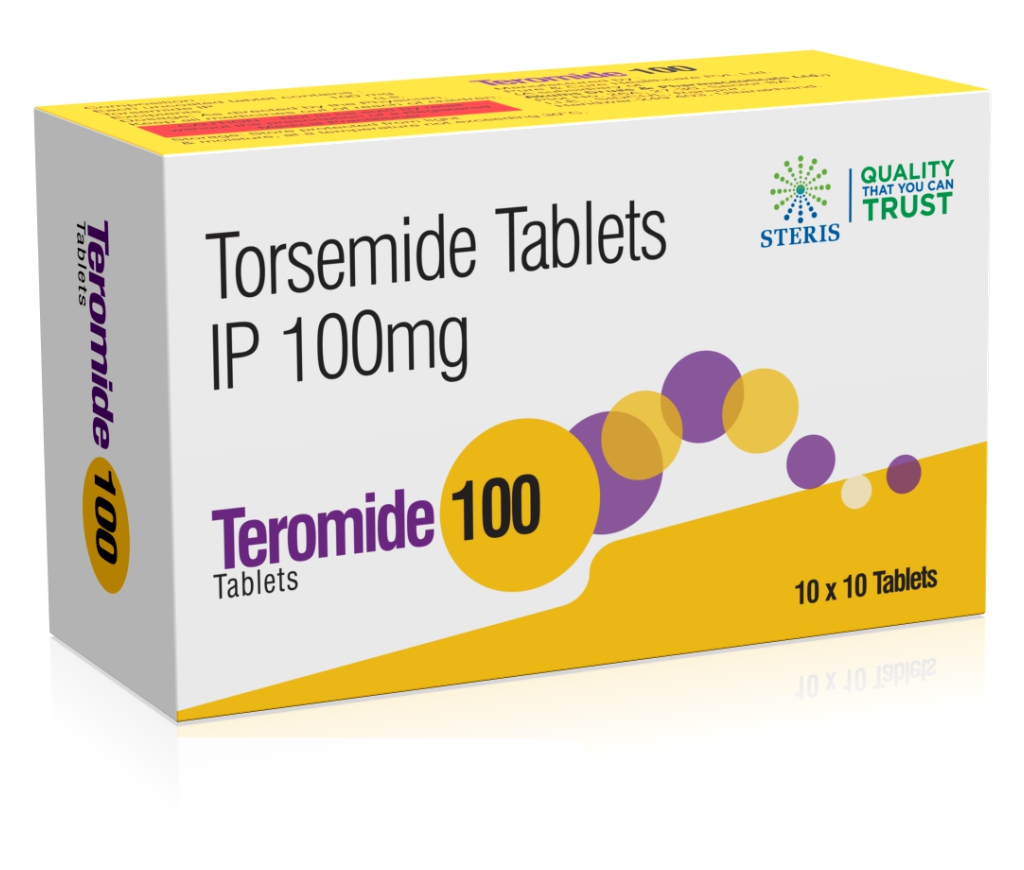
Torsemide 100 mg is an oral loop diuretic formulation used under medical supervision to help manage excess fluid accumulation in selected patients. Torsemide works in the kidneys by inhibiting sodium and chloride reabsorption in the loop of Henle, increasing the excretion of salt and water through urine. This action helps reduce fluid retention and swelling associated with conditions such as heart failure and certain kidney or liver disorders. The appropriate dose depends on the diagnosis, severity of fluid retention, kidney function, previous response to diuretics, and the product's approved prescribing information. Torsemide 100 mg is a high-strength tablet and must only be taken when specifically prescribed. It should not be assumed to be a routine starting dose or used to treat high blood pressure without confirmation that the strength and regimen are appropriate. Possible side effects include frequent urination, dizziness, dehydration, low blood pressure, electrolyte disturbances, and changes in kidney function. Your doctor may recommend regular blood tests to monitor kidney function, potassium, sodium, and other electrolytes.
How to use
Confirm the prescribed strength: Do not assume that one 100 mg tablet is the correct dose for your condition. The required dose depends on the severity of fluid retention, kidney function, and response to previous treatment. Follow your dosing schedule: Take the medicine at the time and frequency stated on your prescription. Do not take extra tablets if swelling persists or if you think the medicine is not working. Take it with water: Torsemide tablets can generally be taken with or without food. Follow the instructions supplied with your specific product. Consider the timing: If prescribed once daily, taking torsemide in the morning may help reduce nighttime urination. Follow your doctor's instructions if a different schedule is prescribed. If you miss a dose: Follow your patient leaflet or ask your pharmacist what to do. Do not take a double dose to compensate for a missed tablet. Monitor your health: Your doctor may recommend monitoring blood pressure, body weight, urine output, and symptoms of fluid retention. Attend blood tests: Kidney function and electrolyte levels, particularly potassium and sodium, may need regular monitoring during treatment. Maintain appropriate hydration: Follow your healthcare professional's advice about fluid intake, especially if you have heart failure or kidney disease. Do not deliberately restrict or increase fluids without medical guidance. Check other medicines: Inform your doctor about other diuretics, blood pressure medicines, lithium, anti-inflammatory painkillers, and supplements. Recognise warning signs: Seek urgent medical attention for fainting, severe weakness, an irregular heartbeat, markedly reduced urine output, or severe dehydration.