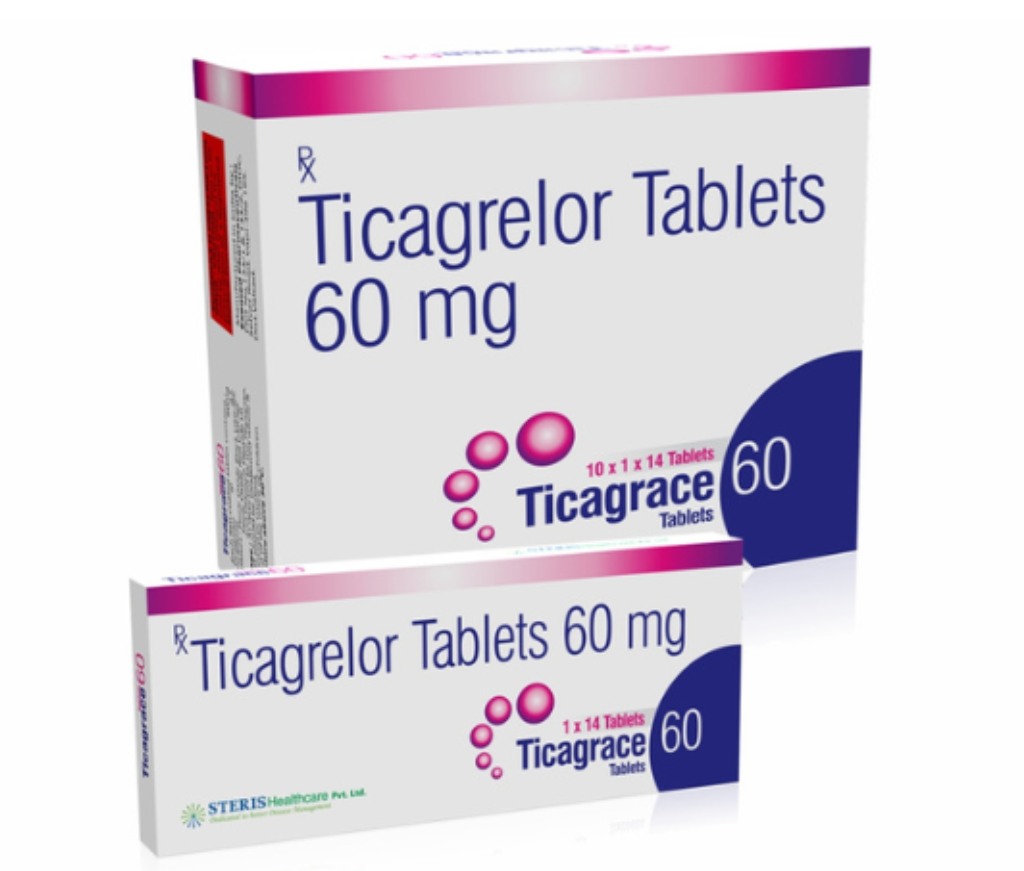

Medicine information
Uses & overview
icagrelor is an antiplatelet medicine prescribed to reduce the risk of certain serious cardiovascular events, including heart attack and stroke, in patients with appropriate medical indications. It belongs to a class of medicines known as P2Y12 platelet inhibitors. Ticagrelor works by blocking specific receptors on platelets, reducing their ability to stick together and form harmful blood clots. Doctors may prescribe Ticagrelor for patients with acute coronary syndrome or following certain coronary procedures, such as stent placement. Depending on the condition, it may be prescribed alongside low-dose aspirin or other appropriate treatments. The correct dose and duration depend on the patient's diagnosis, cardiovascular risk, bleeding risk, and treatment history. The most important potential side effect of Ticagrelor is bleeding. Other possible side effects include shortness of breath, bruising, and nosebleeds. Patients should inform their doctor about previous bleeding, stomach ulcers, liver problems, planned surgery, and other medicines that may increase bleeding risk.
How to use
Follow the prescribed dose: Take the exact amount recommended by your healthcare professional. Do not change your dosage or stop treatment without medical advice. Take it regularly: Ticagrelor is commonly prescribed twice daily for certain indications, although the recommended regimen can vary. Follow your prescription and take each dose at the specified time. Take with or without food: Ticagrelor tablets can generally be taken with or without food. Swallow them with water and follow the instructions supplied with your specific product. Manage missed doses carefully: If you miss a dose, follow the patient leaflet or ask your pharmacist for advice. Generally, take the next dose at its scheduled time rather than taking two doses together. Use aspirin only as directed: Ticagrelor is often prescribed with low-dose aspirin for certain conditions. Do not add aspirin or change its dose without your doctor's instructions. Inform your doctor about other medicines: Tell your healthcare professional about anticoagulants, other antiplatelet medicines, anti-inflammatory painkillers, and supplements because they may increase bleeding risk or interact with Ticagrelor. Watch for bleeding: Seek urgent medical attention for uncontrolled bleeding, vomiting blood, black stools, or severe unexplained weakness. Report frequent bruising or nosebleeds to your doctor. Tell healthcare professionals before procedures: Inform your doctor and dentist that you take Ticagrelor before surgery or dental treatment. Never stop it on your own, particularly after stent placement. Attend follow-up appointments: Regular reviews help your doctor assess treatment effectiveness, side effects, and the appropriate duration of therapy.